Lining Pro Homeowner Guide
My Toilet Won't Flush... Now What?
My Toilet Won’t Flush, Now What?
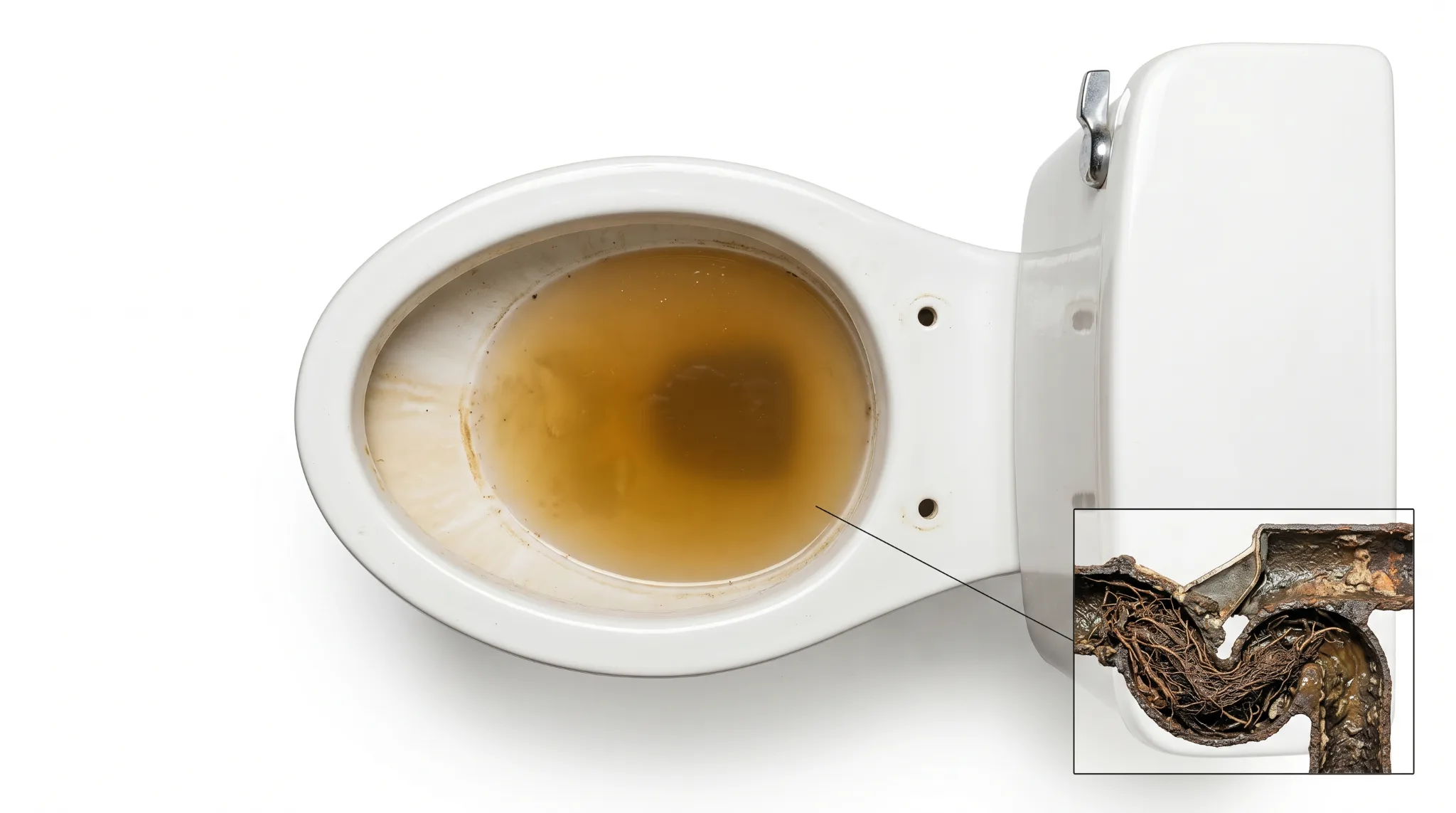
A toilet that will not flush is usually not a sewer emergency by itself, but it is a signal that something in the toilet, fixture drain, branch line, main sewer, or building drain system is not moving wastewater correctly. This guide explains what a homeowner can safely check, what a licensed plumber typically does, and when a deeper sewer repair specialist may be needed.
Lining Pro opinion: A toilet that will not flush should be treated as a plumbing symptom, not an automatic sewer replacement diagnosis. The right response starts with simple checks, then controlled clearing, then inspection if the problem repeats or affects more than one drain.
Start With the Simple Question: Is It the Toilet or the Drain?
When a toilet will not flush, most people immediately think the toilet is clogged. Sometimes that is true. Other times the toilet is only the first place where a larger drain problem becomes visible. A toilet has a trap built into the fixture, a short fixture outlet, a flange connection, a branch drain, and then a path toward the building sewer or septic line. A restriction can occur at any of those points.
A practical homeowner diagnosis begins with observation. Does the bowl fill high and slowly drain down? Does the water barely move? Does the toilet gurgle? Are the tub, shower, floor drain, laundry drain, or nearby sinks also acting strange? Is sewage backing up into the lowest drain in the home? Those details matter because they separate a simple fixture clog from a possible main drain issue.
This article is not a substitute for a licensed plumber, code official, engineer, or environmental professional. It is a practical guide to help homeowners understand the difference between ordinary clog clearing and deeper sewer repair work.
What Homeowners Can Safely Check First
Before calling for sewer repair, there are several basic checks a homeowner can perform without opening walls, removing the toilet, using dangerous chemicals, or forcing equipment into the drain. The goal is to avoid panic and also avoid making the problem worse.
Check the tank
Remove the tank lid and confirm the tank has enough water, the flapper lifts, and the chain is connected. If the bowl does not receive enough water, the toilet may not have enough flush force.
Watch the bowl
If the bowl rises high and drains slowly, the restriction is likely in the toilet trap or drain path. If the bowl barely moves, the issue may be poor tank discharge or a blocked rim and jet path.
Use a proper plunger
A flange-style toilet plunger can clear many soft clogs. Use steady pressure and avoid violent plunging that splashes wastewater or stresses old piping.
Check nearby fixtures
Run nearby sinks and watch tubs or showers. If water appears in another fixture, the problem may be beyond the toilet.
Stop repeated flushing
If the bowl is not draining, do not keep flushing. Additional water can overflow onto finished floors and create cleanup issues.
Avoid harsh chemicals
Drain chemicals can be dangerous, may not solve the real issue, and can create risk for the plumber who later opens the drain.
What Not to Do
A clogged toilet can push homeowners into fast decisions. Some of those decisions are expensive, unsafe, or technically wrong. The goal is to clear the problem without damaging the fixture, drain line, wax seal, or older piping.
- Do not keep flushing. If the toilet is not draining, repeated flushing can cause an overflow.
- Do not use boiling water. Extreme temperature changes can crack porcelain or stress plumbing components.
- Do not use aggressive chemical drain cleaners. They can create burn hazards and may not clear solid obstructions.
- Do not force random objects into the bowl. Coat hangers and improvised tools can scratch porcelain or push the clog deeper.
- Do not assume one clog means a failed sewer line. A single event may only be a local obstruction.
- Do not ignore repeat clogs. Recurring problems are often a sign that the drain path needs professional diagnosis.
When a Homeowner Fix May Be Enough
Some toilet problems are ordinary fixture-level issues. A child may have used too much paper. A guest may have flushed wipes. The toilet may have a weak flush because the tank is not filling properly. These are not automatically sewer line problems.
| Symptom | Possible cause | Practical first step |
|---|---|---|
| Weak flush with low tank water | Fill valve setting, supply issue, or tank component problem. | Check tank water level, flapper movement, and chain slack. |
| Bowl rises and slowly drains | Soft clog in toilet trap or nearby drain. | Use a flange plunger with controlled pressure. |
| Clog clears and does not return | One-time paper or waste overload. | Monitor the fixture and avoid flushing wipes, hygiene products, or paper towels. |
| Toilet flushes but lacks force | Mineral buildup, rim jet restriction, or aging toilet design. | Inspect visible rim flow and consider plumber evaluation if performance stays poor. |
| Foreign object suspected | Toy, cap, toothbrush, wipe bundle, or non-flushable object. | Stop forcing the flush. A plumber may need to auger or remove the toilet. |
When It Is Time to Call a Plumber
A licensed plumber is usually the next step when plunging does not solve the issue, the toilet repeatedly clogs, the toilet must be removed, the shutoff valve is leaking, the fixture is old or loose, or other drains are affected. Plumbers have tools that are designed for fixture drains and building plumbing. They can also determine whether the issue is local or part of a larger drain system problem.
The plumber may use a closet auger, remove the toilet, inspect the flange, replace a wax ring or seal, cable a branch line, clear a nearby blockage, check venting symptoms, or recommend camera inspection if the issue points beyond the fixture. A good plumber does not need to jump straight to sewer replacement language for an ordinary toilet clog.
Use the correct auger or clearing tool
A closet auger is designed to pass through the toilet trap more safely than improvised tools. It can clear many local obstructions without removing the toilet.
Inspect the flange and outlet
If the obstruction is lodged in the toilet or immediately below it, removing the toilet may be the cleanest way to inspect and clear the problem.
Clear the line beyond the fixture
If the toilet itself is not the issue, the plumber may cable or clear the branch drain that carries waste from that bathroom group.
Look for repeat patterns
Recurring clogs, gurgling, slow drains, and backup into lower fixtures can justify further inspection rather than repeated clearing.
Recommend camera inspection when needed
If the problem may be in the main line, old cast iron, roots, a belly, or a broken pipe, camera inspection is the next logical step.
When It May Be More Than a Toilet Clog
A toilet is often the first fixture to show a drain problem because it sends a large volume of water and waste into the drain at once. If the drain system is restricted, the toilet may reveal the issue before a sink does. The warning signs below suggest the problem may be beyond the toilet.
Multiple fixtures are slow
If the toilet, tub, shower, and laundry drain are all affected, the blockage may be in a shared branch or main line.
Water appears in the tub
Toilet flushing that pushes water into a tub or shower can indicate a downstream restriction.
Gurgling drains
Gurgling can occur when air and water are displaced by a restriction, poor venting, or a developing blockage.
Recurring clogs
If the same bathroom keeps backing up, there may be scale, roots, offset pipe, poor slope, or a trapped obstruction.
Sewage odor
Sewer odor can come from trap seal problems, venting issues, failed seals, cracks, or drain system defects.
Lowest drain backs up
Backup at the lowest fixture in the home can point to a main line or building drain obstruction.
What Sewer and Drain Pros Look For
Specialized sewer and drain contractors look past the toilet and evaluate the pipe system. This may include sewer camera inspection, pipe locating, hydro jetting, root cutting, descaling, smoke testing, dye testing, cleanout installation, spot repair, pipe lining, pipe bursting, or excavation. The right service depends on what the inspection shows.
For older homes, especially those with cast iron, clay, Orangeburg, concrete, or older PVC transitions, the issue may be structural or related to long-term buildup. In those cases, a basic clearing may temporarily restore flow while leaving the underlying defect in place.
| Service level | What they commonly do | When it fits |
|---|---|---|
| Homeowner | Check tank function, stop overflow, use a proper plunger, observe nearby fixtures. | Single toilet issue, no sewage backup, no repeat pattern, no signs of main line blockage. |
| Plumber | Use toilet auger, remove and reset toilet, clear branch drain, repair toilet components, check flange and seals. | Toilet will not clear, fixture is leaking, foreign object is suspected, or the problem is local to one bathroom. |
| Drain cleaning contractor | Cable lines, jet lines, remove roots, clear grease and sludge, access cleanouts, perform basic camera checks. | Branch or main line restriction, recurring clogs, roots, grease buildup, or multiple slow fixtures. |
| Sewer repair specialist | Camera inspection, pipe locating, descaling, CIPP lining, sectional repair, pipe bursting, excavation planning, final verification. | Broken pipe, deteriorated cast iron, root-damaged line, failed joints, repeated main backups, or documented structural defects. |
| Engineer or specialty consultant | Evaluate complex building drainage, structural conflicts, commercial systems, repeated failures, or disputed repair scope. | Large buildings, insurance disputes, commercial facilities, multi-unit properties, or conditions requiring formal analysis. |
Camera Inspection: Useful Tool, Not a Sales Shortcut
A sewer camera can be one of the most useful diagnostic tools in drain repair. It can show roots, scale, cracks, standing water, offsets, broken pipe, foreign objects, and transitions between pipe materials. But the camera video has to be interpreted carefully.
A responsible inspection should identify the access point, direction of travel, approximate footage, visible pipe material, defect locations, severity, and whether the camera reached the area of concern. A blurry video with no explanation is not enough to support a major repair decision. A clean final video after repair is also important because it documents the completed condition.
Truthful claim standard: A contractor should not claim a sewer line needs lining, replacement, or excavation unless the condition has been inspected, documented, and explained in a way the owner can understand.
Common Pipe Problems Behind Toilet Backups
Once the problem moves beyond the fixture, the cause may be in the branch drain, building drain, sewer lateral, or septic connection. These issues require different tools and different repair logic.
Paper and waste obstruction
Soft blockages can often be cleared by plunging, augering, cabling, or jetting, depending on location and severity.
Flushable wipes
Many wipes do not break down like toilet paper. They can collect at rough pipe, roots, fittings, offsets, or low spots.
Roots
Roots can enter through joints, cracks, failed fittings, or damaged pipe. Cutting roots may restore flow, but the entry point may remain.
Cast iron scale
Older cast iron can develop rough internal buildup that catches paper and waste, causing repeated toilet and branch line backups.
Pipe belly
A sagging section can hold water and solids. Clearing may help temporarily, but severe slope problems may require repair or replacement.
Broken or offset pipe
Structural defects can create a recurring catch point. These conditions usually require inspection and a repair plan, not endless cleaning.
Drain Cleaning Versus Drain Repair
Drain cleaning and drain repair are not the same thing. Drain cleaning restores flow by removing or reducing the obstruction. Drain repair addresses the pipe condition that caused or contributed to the failure. Sometimes cleaning is all that is needed. Sometimes cleaning only proves that the pipe has a larger problem.
| Action | What it can do | What it cannot promise |
|---|---|---|
| Plunging | Clear many soft toilet clogs near the fixture. | Cannot diagnose pipe condition or fix broken pipe. |
| Toilet augering | Reach through the toilet trap and clear some local obstructions. | Cannot repair damaged branch or main sewer piping. |
| Cabling | Open many branch and main line clogs. | May not fully remove grease, scale, roots, or structural restrictions. |
| Hydro jetting | Clean grease, sludge, soft deposits, and some root debris when appropriate for the pipe. | Cannot correct collapsed pipe, severe belly, missing pipe, or major structural failure. |
| Descaling | Remove rough internal cast iron buildup and prepare the pipe for inspection or lining. | Does not rebuild pipe wall by itself. |
| CIPP lining | Create a new cured liner inside a properly prepared host pipe. | Does not correct every slope issue and is not suitable for every pipe condition. |
| Excavation and replacement | Remove failed pipe and install new pipe where trenchless methods do not fit. | Can be disruptive and should be scoped carefully before approval. |
A Practical Decision Path for a Toilet That Will Not Flush
The best response is usually step by step. Start with the lowest risk checks. Escalate when the symptoms show the problem may be larger. Avoid both extremes: ignoring repeat backups and approving major sewer work without proof.
Stop the overflow risk
Do not keep flushing. If water is rising, stop and protect the floor. Use the shutoff valve if the toilet continues running or filling.
Confirm the toilet is actually trying to flush
Check tank water level, handle movement, flapper function, and whether enough water is entering the bowl during the flush.
Use a proper toilet plunger
Try controlled plunging with a flange plunger. If the toilet clears and the issue does not return, it may have been a simple local clog.
Look at the rest of the plumbing
If other fixtures are slow, gurgling, or backing up, treat the issue as a possible drain line problem rather than only a toilet problem.
Call a plumber when the fixture will not clear
A plumber can auger the toilet, remove it if needed, inspect the flange, and determine whether the blockage is in the fixture or branch line.
Use camera inspection for repeat or system-wide symptoms
If the problem repeats or affects multiple drains, a camera inspection can help document roots, scale, cracks, offsets, bellies, and other pipe conditions.
Choose the repair based on actual findings
Repair may involve cleaning, descaling, lining, point repair, replacement, or no major repair at all. The method should follow the evidence.
What Lining Pro-Level Pros Can Do
The contractors and sewer repair specialists homeowners find through Lining Pro may handle problems that go beyond a standard toilet clog. This can include underground sewer laterals, older cast iron drain systems, root-damaged lines, deteriorated pipe, recurring backups, and trenchless repair options. The specific services depend on the contractor, location, licensing, equipment, pipe condition, and project scope.
Specialty sewer repair work is usually appropriate when there is evidence of a deeper pipe defect. That evidence may come from camera inspection, repeated cleaning history, visible pipe deterioration, backups into multiple fixtures, sewer odor, property age, root intrusion, or documented failure in a lateral or building drain.
Sewer camera inspection
Used to document the internal condition of the line and locate visible defects.
Pipe locating
Used to help identify the path and approximate location of buried sewer piping.
Hydro jetting
Used to clean grease, sludge, debris, and certain line restrictions when the pipe condition allows it.
Cast iron descaling
Used to remove rough internal buildup from older cast iron and prepare the line for inspection or lining.
CIPP lining
Used to create a new cured liner inside an existing pipe when the host pipe is a proper candidate.
Spot repair or replacement
Used where a localized defect, collapse, offset, or failed section requires direct repair.
How to Protect Yourself From False or Overstated Claims
Homeowners should be cautious of any contractor who jumps from a clogged toilet to a major sewer repair without evidence. They should also be cautious of anyone who says a pipe is fine forever after a quick clearing. Both can be misleading. The truth depends on what the pipe actually shows.
| Claim | Why to question it | Better evidence to ask for |
|---|---|---|
| Your whole sewer line is bad. | This may be true, but it should not be assumed from one clog. | Camera video, footage location, defect descriptions, and repair scope. |
| Jetting will permanently fix it. | Jetting cleans, but it does not repair broken, offset, collapsed, or badly deteriorated pipe. | Post-cleaning inspection showing whether the pipe has defects. |
| Lining fixes every sewer problem. | Lining is useful, but it does not fit every pipe condition or slope problem. | Proof the pipe can be cleaned, accessed, measured, and lined properly. |
| You need emergency excavation today. | Some emergencies are real, but urgent pressure should still be supported by clear findings. | Visible backup condition, camera evidence, location, and explanation of alternatives. |
| The camera shows everything. | Cameras are useful, but water, debris, scale, poor lighting, and access limits can hide defects. | Clear video, cleaning if needed, and written interpretation of observed limits. |
| This repair is guaranteed to solve all future clogs. | No contractor should guarantee every future plumbing behavior or unrelated fixture issue. | Written scope explaining what was repaired, what was excluded, and what warranty applies. |
Special Note for Older Homes With Cast Iron
Older cast iron drain lines can create toilet flushing problems because internal corrosion and scale reduce the pipe opening. Paper and waste catch on rough pipe. The line may be technically open after cleaning but still vulnerable to repeat blockage. This is common in many older homes, including properties with underslab drain lines.
For cast iron, the sequence matters. A contractor may need to inspect the line, descale it, reinspect it, and then determine whether lining or replacement is appropriate. A camera inspection before cleaning may show obstruction, but a camera inspection after cleaning may reveal the true structural condition.
Homeowners should understand the difference between temporary flow restoration and pipe rehabilitation. A cleaned cast iron line may work better. A lined cast iron line may restore a new internal wall when the host pipe is a good candidate. A replaced cast iron line removes the old pipe section. These are different outcomes with different costs, risks, and limitations.
Questions to Ask Before Hiring Anyone
- Is this problem limited to the toilet, or are other fixtures affected? The answer changes the likely location of the issue.
- What tool are you using and why? Plungers, augers, cables, jetters, descalers, and cameras do different jobs.
- Can you show me the problem? Major repair recommendations should be supported by video, photos, or clear findings.
- Where is the defect located? Ask for approximate footage, access point, and location when possible.
- What pipe material am I dealing with? Cast iron, clay, PVC, Orangeburg, and concrete do not fail or repair the same way.
- Is cleaning enough, or is this a repair issue? The contractor should explain whether the pipe condition is causing repeat problems.
- What are the limits of this repair? Every scope should say what is included, what is excluded, and what conditions could change the plan.
- Will I receive a final inspection? For sewer repair and lining work, post-repair verification is valuable documentation.
When the Situation Is More Urgent
Some toilet and drain problems should be handled quickly. Sewage backup into living space, repeated overflow, backup from multiple fixtures, wet flooring near the toilet base, sewer odor with active drainage symptoms, or wastewater coming up from a tub, shower, or floor drain can require prompt professional help.
If wastewater has entered finished space, cleanup and sanitation may be needed in addition to plumbing work. If the property uses a septic system, the issue may involve the tank, drain field, building sewer, or internal plumbing. Septic-related problems should be evaluated by qualified septic professionals where appropriate.
Safety note: Sewage exposure can create health and property risks. If wastewater is backing up into the home, avoid direct contact, protect occupants, and call a qualified professional.
The Lining Pro Position
A toilet that will not flush is not automatically a disaster, but it should not be dismissed when the symptoms repeat. Homeowners can check the tank, stop overflow risk, use a proper plunger, and watch the rest of the plumbing. Plumbers can clear fixture and branch drain problems. Sewer specialists can inspect, clean, descale, line, repair, or replace deeper pipe defects when the evidence supports that work.
The responsible path is simple: start small, observe the pattern, clear safely, inspect when the issue repeats, and make repair decisions based on documented pipe condition. That protects the homeowner from unnecessary work and also prevents real sewer problems from being ignored until they become larger failures.
Need Help With a Toilet Backup or Drain Repair?
Lining Pro helps homeowners understand drain and sewer repair options and connect with contractors who work on sewer inspection, drain cleaning, cast iron descaling, trenchless pipe lining, and related repair methods.
Start with education before approving major work. Learn more about how trenchless sewer repair works or browse sewer repair contractors.