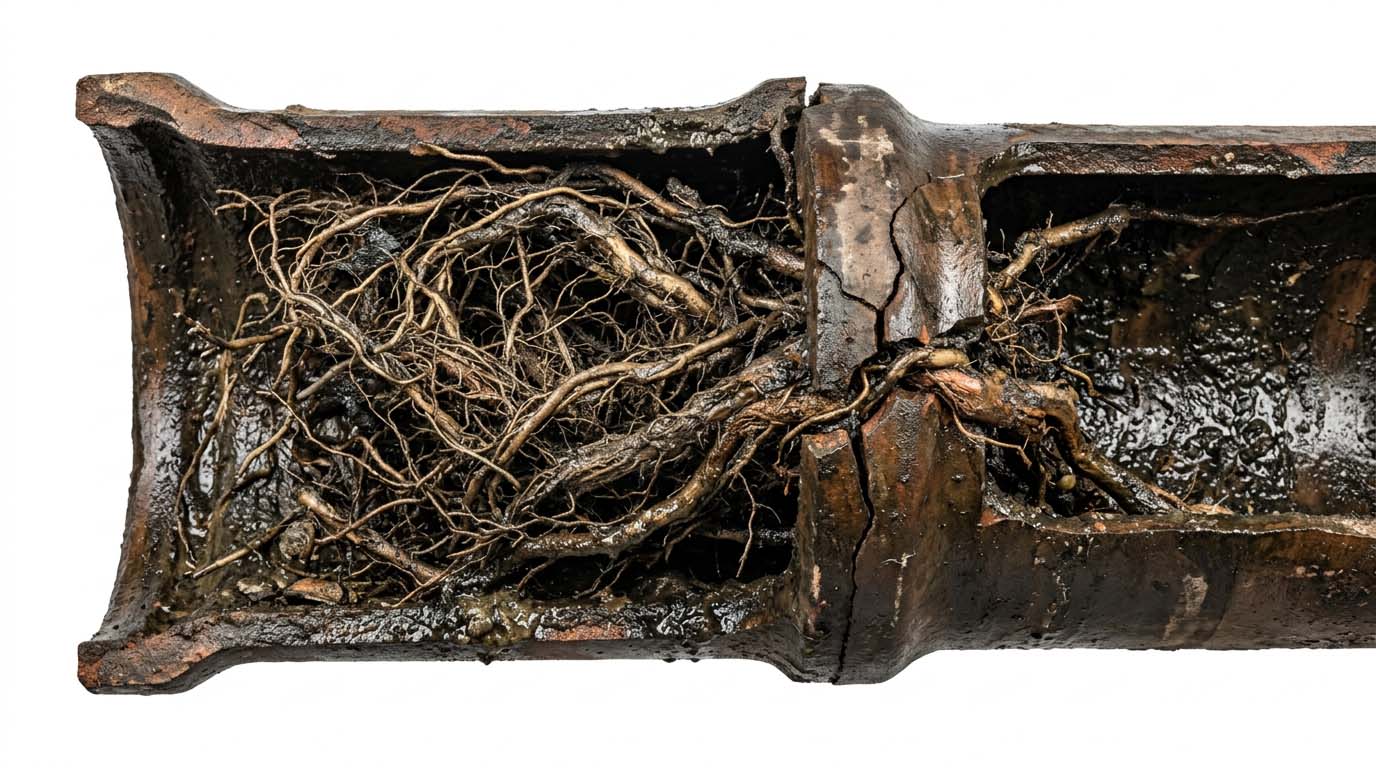
Failing Cast Iron Sewer Pipe: When to Repair, Line, or Replace
Cast iron sewer pipe has been used for generations because it is strong, rigid, and capable of handling heavy use. The problem is that cast iron does not fail politely. It rusts from the inside, scales shut, channels along the bottom, catches waste, leaks at joints, and eventually loses the pipe wall that made it strong in the first place.
The age-old debate is simple on the surface: should failing cast iron be repaired or replaced? In the real world, the answer depends on pipe condition, access, location, corrosion depth, flow performance, structural continuity, budget, and how much destruction the property owner is willing to accept. From the Lining Pro.com perspective, the right answer starts with inspection, not a sales pitch.
Why Cast Iron Sewer Pipe Fails
Cast iron usually fails from the inside out. Wastewater, sewer gases, moisture, abrasive solids, cleaning chemicals, biological activity, and age all contribute to pipe wall deterioration. Over time, the inner wall roughens, rust scale builds up, and the bottom of the pipe can wear away into a channel. This is why many cast iron lines still look “present” on camera but no longer function like a sound pipe.
The mistake many property owners make is assuming the pipe is fine because water still moves through it. Flow does not always mean the pipe is healthy. A deteriorated cast iron line may still drain today while actively catching paper, holding solids, leaking under the slab, or preparing for a much larger failure.
Common Signs of Failing Cast Iron
Recurring Drain Backups
If the same line keeps clogging after cleaning, the problem may be a rough, scaled, or channeled pipe interior rather than a simple blockage.
Heavy Rust Scale
Internal scale reduces diameter and creates a rough surface that catches paper, grease, and solids.
Bottom Channeling
The bottom of the pipe can rot away, leaving waste to travel through a trough instead of a complete pipe barrel.
Sewer Odors
Leaking joints, cracked pipe, or missing pipe wall can allow sewer gas to escape into slabs, walls, crawlspaces, or building cavities.
Slow Fixtures
Slow drainage across multiple fixtures may point to restricted diameter, scale buildup, or a compromised main line.
Moisture or Slab Issues
Cast iron under slabs may leak into surrounding soil, creating moisture problems, settlement risk, or hidden sanitary concerns.
The Real Debate: Repair or Replace?
Replacing cast iron means removing the failed pipe and installing new pipe. That is the cleanest answer structurally, but it can also be the most destructive. In slab homes, commercial buildings, restaurants, hospitals, schools, apartments, and older facilities, full replacement may mean saw cutting floors, trenching through interiors, removing finishes, shutting down operations, and rebuilding surfaces after the plumbing work is done.
Repairing or lining cast iron aims to restore function with less destruction. This can include descaling, spot repair, cured-in-place pipe lining, sectional lining, pipe bursting, or limited excavation. The right method depends on whether the existing pipe can still serve as a host for rehabilitation.
| Option | What It Means | Best Used When | Primary Concern |
|---|---|---|---|
| Descaling Only | Mechanical cleaning removes internal rust scale and buildup. | The pipe is restricted but still structurally acceptable. | It does not rebuild missing pipe wall. |
| Spot Repair | A localized section is repaired or lined. | One defect is causing the problem and the rest of the pipe is serviceable. | Other failing sections may remain untreated. |
| CIPP Lining | A resin-saturated liner cures inside the cast iron and forms a new internal pipe. | The pipe has enough shape and continuity to accept a liner. | Requires proper cleaning, prep, and contractor skill. |
| Pipe Bursting | The old pipe is broken outward while a new pipe is pulled into place. | The line is too damaged for lining but open trenching should be minimized. | Requires access pits and careful utility awareness. |
| Full Replacement | The failed pipe is excavated and replaced with new pipe. | The pipe is collapsed, severely bellied, missing, or impossible to line. | Can be expensive and destructive depending on location. |
When Cast Iron Can Usually Be Lined
Cast iron can often be lined when the pipe still has a continuous path, reasonable shape, and enough remaining structure to support liner installation. It does not need to be pretty. Many cast iron pipes selected for lining are rough, scaled, corroded, cracked, and leaking. The question is whether they can be cleaned, measured, accessed, and lined without trapping defects that should have been corrected first.
Usually Possible to Repair or Line
- Internal rust scale that can be mechanically removed
- Bottom channeling without full collapse
- Small cracks or pinholes
- Leaking joints
- Recurring backups caused by rough pipe walls
- Under-slab cast iron where excavation would be highly disruptive
- Commercial lines where downtime must be reduced
Often Pushes Toward Replacement
- Fully collapsed pipe sections
- Severe belly holding standing waste
- Major deformation or missing pipe bottom
- Disconnected pipe sections
- Improper slope that lining cannot correct
- Access conditions that prevent proper liner installation
- Pipe so deteriorated that cleaning would destroy it
Why Descaling Alone May Not Be Enough
Descaling is often necessary before lining cast iron, but descaling is not the same as rehabilitation. Descaling removes rust buildup from the inner wall so the pipe can flow better and so a liner can seat properly. It does not restore missing pipe wall, seal cracks, stop leaks, or turn failed cast iron into new pipe.
In some cases, descaling gives a property owner temporary relief. In other cases, it reveals the real condition of the pipe. A heavily scaled pipe may look better after cleaning, but once the scale is removed, the camera may show holes, thin pipe wall, exposed soil, or severe channeling.
How Contractors Evaluate Cast Iron Before Recommending a Fix
Camera the Line Before Making a Recommendation
A proper cast iron evaluation starts with camera inspection. The contractor should document scale, cracks, water holding, transitions, offsets, joint condition, connection points, and visible wall loss. A recommendation made without video is not enough for a serious repair decision.
Remove Enough Scale to See the Real Pipe
Cast iron often hides its condition behind rust scale. Mechanical descaling, chain knockers, specialized cleaning tools, or controlled jetting may be used to expose the actual pipe wall. The contractor should avoid reckless cleaning that damages a fragile pipe beyond what is necessary.
Identify Whether the Pipe Still Has Shape
Lining depends on the host pipe maintaining a usable path. If the pipe is round enough, continuous enough, and accessible enough, lining may be realistic. If the pipe has collapsed, separated, or lost grade, replacement or spot excavation may be required.
Choose Between Spot Repair, Full Lining, Bursting, or Replacement
A good contractor does not force every cast iron problem into the same solution. A single defect may need a spot repair. A long deteriorated run may need CIPP lining. A collapsed section may need excavation before lining. A fully failed system may need replacement.
Document the Finished Work
Whether the contractor lines the pipe, replaces a section, or performs a hybrid repair, the finished result should be verified. Before-and-after footage helps property owners understand what was found, what was corrected, and what limitations remain.
Repair vs Replacement: Practical Decision Table
| Condition Found | Repair May Make Sense | Replacement May Make Sense |
|---|---|---|
| Heavy Scale | If scale can be removed and the pipe wall is still serviceable. | If cleaning exposes holes, missing pipe wall, or severe collapse risk. |
| Bottom Channeling | If the pipe still has enough shape for liner installation. | If the bottom is gone to the point that the liner cannot be properly supported. |
| Recurring Backups | If caused by rough walls, roots, joints, or corrosion that lining can address. | If caused by slope failure, major belly, or collapse. |
| Under-Slab Cast Iron | If trenchless access can avoid cutting floors and disrupting the building. | If the line is collapsed, misgraded, or impossible to prepare correctly. |
| Commercial Drain Line | If reduced downtime is important and the pipe can be rehabilitated in place. | If operational risk is too high to leave any questionable pipe in service. |
| Localized Failure | If one section can be repaired without replacing the entire run. | If multiple sections are at the same stage of failure. |
The Hybrid Answer: Sometimes It Is Both
Many cast iron projects are not purely repair or purely replacement. The best answer may be a hybrid approach. A contractor might excavate one collapsed section, replace a failed fitting, correct an access problem, descale the remaining line, and then line the rest of the pipe. This is often how practical sewer rehabilitation works in older properties.
The goal is not to avoid excavation at all costs. The goal is to avoid unnecessary excavation while still solving the real problem. Sometimes one precise dig combined with trenchless lining is smarter than tearing up the entire pipe path.
Questions to Ask Before Approving Cast Iron Work
| Question | Why It Matters |
|---|---|
| Can I see the camera footage? | The recommendation should be based on visible pipe condition, not guesswork. |
| Is the pipe scaled, channeled, cracked, bellied, or collapsed? | Different defects require different repair methods. |
| Will descaling be performed before lining? | Cast iron usually needs preparation before a liner can seat properly. |
| What liner and resin system will be used? | The product should fit the pipe size, conditions, access, and project requirements. |
| What happens if the pipe cannot be lined after cleaning? | Some pipes reveal worse conditions once scale is removed. The contractor should explain the contingency. |
| Will I receive final video after the work? | Final camera footage helps verify the repair and document the finished condition. |
What Lining Pro.com Wants Property Owners to Understand
Failing cast iron is not something to ignore, and it is not something to diagnose from the surface. A slow drain, a backup, or a sewer odor may be the first symptom of a pipe that has been deteriorating for years. The right decision comes from seeing the pipe, cleaning it properly, understanding the failure pattern, and comparing the repair options honestly.
Some cast iron should be lined. Some should be replaced. Some needs a combination of both. The key is finding a contractor who understands cast iron failure, trenchless lining, excavation limits, access planning, and long-term sewer performance.
Browse Contractors on Lining Pro.com
Lining Pro.com was built to help users browse and contact contractors who work in trenchless sewer repair, cast iron pipe rehabilitation, pipe lining, pipe bursting, sewer inspection, and structural drain repair. If you are dealing with failing cast iron, you can use the contractors listed on the Lining Pro.com system to compare providers, review service areas, contact qualified companies, and start the inspection process.
The best next step is not guessing whether you need lining or replacement. The best next step is getting the pipe inspected by a contractor who can explain what the camera is showing and give you a repair path that matches the actual condition of the line.
Find a Cast Iron Sewer Repair Contractor
Browse contractors on Lining Pro.com and contact professionals who specialize in trenchless sewer repair, cast iron pipe lining, sewer inspection, descaling, pipe bursting, spot repair, and structural sewer rehabilitation.
Browse Contractors