Lining Pro.com Contractor Editorial
Solving Cast Iron Pipe Problems on the Space Coast

Pipeliner Pros in Florida: Solving Cast Iron Pipe Problems on the Space Coast
Florida has a cast iron pipe problem, and the Space Coast is one of the markets where that problem is showing up in a very real way. Older homes, slab-built properties, condos, restaurants, commercial buildings, and coastal facilities across Brevard County are dealing with aging sewer systems that were never designed to last forever.
From the Lining Pro.com perspective, Pipeliner Pros is one of the Platinum contractors on our system working in this space. This article is not a guarantee, certification, warranty, or instruction to hire any contractor without doing your own independent research. It is an editorial look at the type of trenchless cast iron rehabilitation work Pipeliner Pros is performing in Florida and why that work matters to property owners on the Space Coast.
Why Cast Iron Pipe Is Failing Across the Space Coast
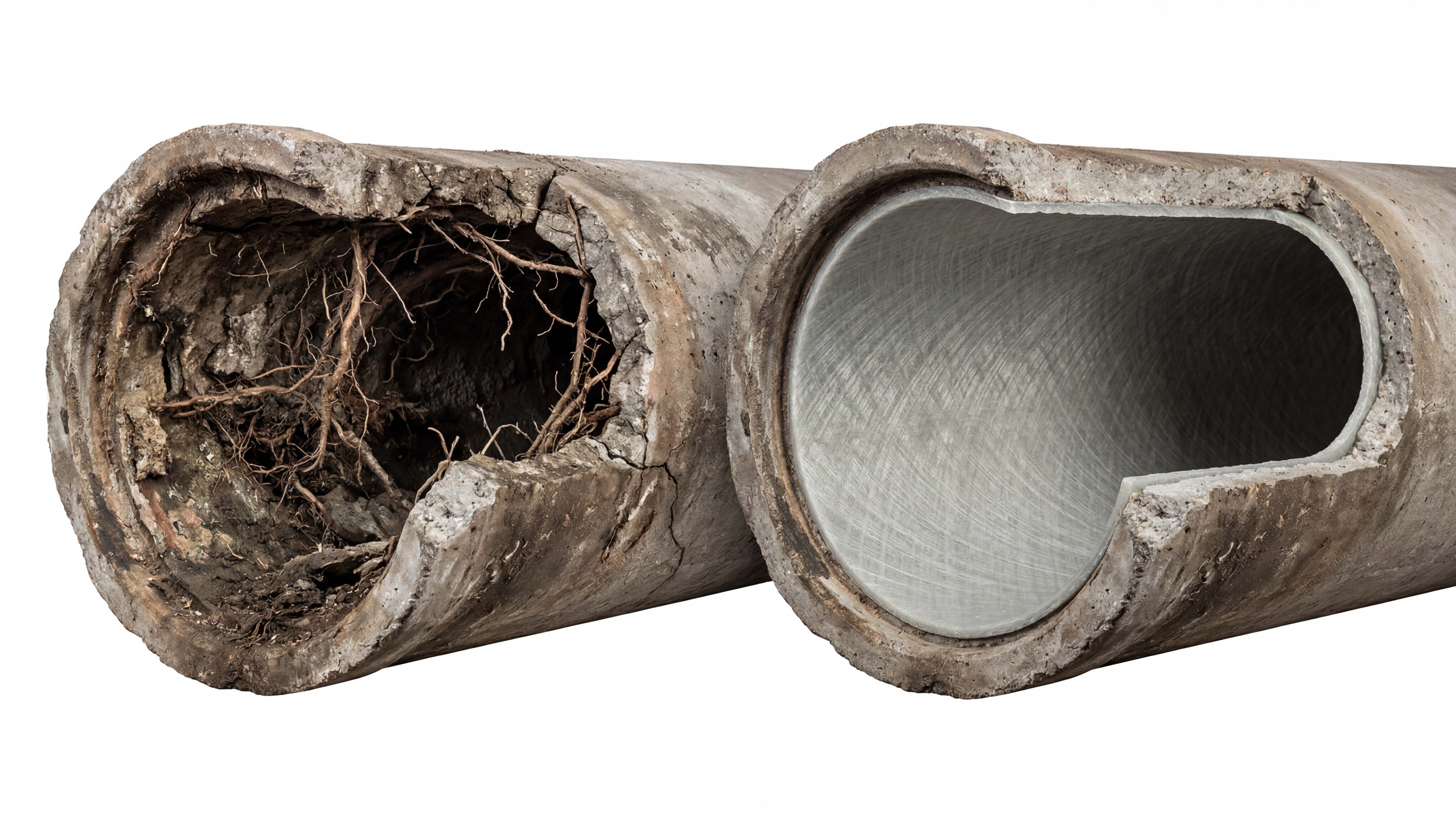
Cast iron pipe usually fails from the inside out. The pipe may still be physically present in the ground, but the inner wall can be heavily scaled, rough, corroded, channeled, cracked, or leaking. In many Florida properties, especially slab homes and older commercial buildings, the first visible sign is not a dramatic collapse. It is repeated drain cleaning, slow fixtures, sewer odor, backups, or a camera inspection showing a pipe that no longer has a clean round bore.
Interested in Pipeliner Pros? View Lining Pro profile
On the Space Coast, the problem is made more complicated by how many properties rely on buried sewer lines under slabs, driveways, parking areas, finished floors, landscaping, and coastal hardscape. Full replacement may still be necessary in some situations, but it can also mean saw cutting, trenching, demolition, restoration, downtime, and significant disruption. That is where trenchless evaluation becomes important.
Important: cast iron does not need to be fully collapsed to be failing. A line can still drain while actively catching waste, leaking, scaling shut, or losing structural wall thickness.
What Pipeliner Pros Is Addressing in the Field
Pipeliner Pros is working in the trenchless sewer repair category where inspection, cleaning, pipe preparation, liner selection, cure control, and final verification matter. For failing cast iron, the repair is not simply about putting a liner in a pipe. The contractor has to understand whether the existing pipe can still function as a host pipe for rehabilitation.
That means looking at scale, channeling, diameter loss, active water, pipe shape, access points, fittings, branch connections, offsets, bellies, and collapse risk. A properly planned cast iron project may involve cleaning, descaling, spot repair, CIPP lining, UV-cured lining, pipe bursting, limited excavation, or a combination of methods.
The Cast Iron Problems That Drive These Repairs
Internal Rust Scale
Cast iron often develops heavy internal scale. This reduces diameter, roughens the pipe wall, and gives paper, grease, and solids more places to catch.
Bottom Channeling
Long-term corrosion can wear away the bottom of the pipe. Instead of a full pipe barrel, the line begins acting like a trough.
Under-Slab Failure
Many Florida cast iron systems run below slabs. Trenchless lining may reduce the need to cut through finished floors when the pipe is still lineable.
Recurring Backups
When the same line keeps backing up after cleaning, the problem may be structural pipe condition rather than a basic clog.
Leaking Joints and Cracks
Cracks, failed joints, and pipe wall loss can allow wastewater to escape and surrounding soil or groundwater to interact with the sewer line.
Commercial Downtime
Restaurants, condos, apartments, medical offices, and commercial facilities often need repair planning that limits operational disruption.
Why Trenchless Methods Matter for Cast Iron
Trenchless repair is not one single method. It is a group of repair strategies designed to restore or replace underground pipe with less excavation than traditional open-cut replacement. For cast iron on the Space Coast, the practical value is the ability to inspect the line, prepare the pipe, and determine whether rehabilitation can be done from existing or limited access points.
When the pipe has enough remaining shape and continuity, CIPP lining can create a new internal pipe wall inside the existing cast iron. When the pipe is too far gone in one section, a contractor may need to excavate that section first. When the entire line is unsuitable for lining, pipe bursting or replacement may be the better answer. The method should follow the pipe condition, not the other way around.
| Method | What It Does | Where It Fits | Detail That Matters |
|---|---|---|---|
| Camera Inspection | Documents the actual condition of the sewer line before repair decisions are made. | Every serious cast iron project should begin with inspection. | The inspection should identify scale, channeling, offsets, bellies, access points, and branch connections. |
| Hydro Jetting | Uses high-pressure water to remove soft blockages, sludge, grease, and debris. | Pre-cleaning and flow restoration before deeper assessment. | Jetting can clean the line, but it does not rebuild missing cast iron wall. |
| Mechanical Descaling | Removes hard rust scale from inside the cast iron pipe. | Older cast iron with diameter loss and rough internal buildup. | Descaling can reveal the true pipe condition, including holes or severe channeling hidden under scale. |
| CIPP Lining | Installs a resin-saturated liner that cures into a new internal pipe wall. | Cast iron with enough remaining shape and continuity to accept a liner. | Cleaning, liner fit, resin saturation, cure control, and final inspection determine the quality of the result. |
| UV-Cured CIPP | Uses ultraviolet light to cure a compatible liner inside the existing pipe. | Projects where controlled cure, speed, and installation documentation are important. | The liner, UV equipment, cure speed, inflation, and operator control all matter. |
| Spot Repair | Repairs one isolated defect instead of lining the full run. | Localized cracks, isolated failures, or specific damaged sections. | Spot repair is only logical when the rest of the pipe is still serviceable. |
| Pipe Bursting | Breaks the old pipe outward while pulling a new pipe into place. | Lines too damaged for lining where limited trenching is still preferred. | Access pits, utility conflicts, soil conditions, and pipe path all need to be evaluated. |
UV Cure and the Details That Matter
UV-cured CIPP is one of the more technical trenchless methods being used in modern sewer rehabilitation. Instead of relying only on ambient cure, steam, or hot water, UV systems use controlled ultraviolet light to cure a compatible liner after it has been installed and expanded inside the pipe.
The advantage is not just speed. The value is process control. A UV-cure project depends on the correct liner, correct resin system, correct inflation, controlled movement of the UV light train, proper cure speed, and verification of the finished liner. For customers, the detail that matters is whether the contractor can explain why UV cure is being used on that specific line.
Lining Pro editorial note: UV cure can be a strong trenchless method, but it is not automatically the right answer for every failing cast iron pipe. The camera inspection and pipe condition should drive the repair plan.
How a Cast Iron Project Should Be Evaluated
Confirm What Is Actually in the Ground
The contractor should identify the pipe material, route, diameter, access points, defect locations, standing water, corrosion pattern, and connection points. A recommendation without camera evidence is not enough for serious cast iron work.
Clean and Descale Before Making the Final Call
Cast iron can hide its real condition behind rust scale. Cleaning and descaling may improve flow, but they may also expose pipe wall loss, holes, or channeling that changes the repair recommendation.
Match the Method to the Defect
A line with moderate scale and intact shape may be a lining candidate. A line with a collapsed section may need excavation. A line with slope failure may require replacement or grade correction. The method should match the failure.
Control the Liner, Cure, and Access
Whether the job uses conventional CIPP or UV-cured CIPP, the quality depends on proper liner handling, installation pressure, cure control, branch reinstatement, and documentation.
Review the Finished Pipe
Final camera footage should show the completed liner, open flow path, branch openings, and any remaining limitations. This helps the customer understand what was actually repaired.
Repair, Line, Burst, or Replace: The Real-World Decision
The cast iron repair debate is rarely clean. Some pipes are obvious lining candidates. Some are obvious replacement candidates. Many are somewhere in between. That is why a hybrid plan is common in the field. A contractor may excavate one failed section, line the remaining run, reinstate branches, and document the finished result.
The goal is not to avoid digging at all costs. The goal is to avoid unnecessary digging while still making a responsible repair. On the Space Coast, where many cast iron lines run under slabs, floors, parking areas, and hardscape, that distinction matters.
| Pipe Condition | Possible Direction | Why It Matters |
|---|---|---|
| Heavy Scale | Descaling, cleaning, then possible lining. | The pipe may still be restorable if it has shape and continuity. |
| Bottom Channeling | CIPP may be possible depending on severity. | The liner needs a usable host path and enough support to cure correctly. |
| Localized Break | Spot repair or limited excavation. | One defect does not always mean the entire line must be replaced. |
| Severe Belly | Replacement or grade correction may be needed. | Lining follows the existing pipe path and generally does not correct poor slope. |
| Collapsed Section | Excavation, sectional replacement, or pipe bursting. | A liner cannot reliably fix a pipe path that no longer exists. |
| Commercial Downtime Concern | Trenchless lining or staged repair planning. | Reduced disruption can be a major part of the project value. |
Why the Space Coast Needs This Type of Contractor
Brevard County has a mix of older residential neighborhoods, coastal properties, slab homes, restaurants, multifamily buildings, commercial corridors, and infrastructure-sensitive sites. In that environment, the cheapest first response is often another cleaning. The better long-term response is usually a proper inspection and a clear repair plan.
Pipeliner Pros is operating in a part of the industry where the work is becoming more specialized. Cast iron sewer problems are not just drain problems. They are pipe condition problems. They require camera evidence, preparation, repair method selection, and documentation.
What Customers Should Ask Before Hiring Anyone
| Question | Why It Matters |
|---|---|
| Can I see the inspection footage? | The recommendation should be based on the actual pipe condition. |
| Is the pipe scaled, cracked, channeled, bellied, or collapsed? | Each defect points toward a different repair method. |
| Will the pipe be descaled before lining? | Cast iron usually needs proper preparation before liner installation. |
| What liner and resin system are being used? | The material system should match the pipe size, access, condition, and cure method. |
| Is UV cure being used, and why? | UV cure may be a strong option, but the contractor should explain why it fits the project. |
| What happens if the pipe cannot be lined? | Customers should understand the contingency before work begins. |
| Will I receive final camera footage? | Final video helps verify the finished repair and document the completed condition. |
Lining Pro’s Editorial Position
Pipeliner Pros is listed in the Lining Pro.com system as a Platinum contractor, and their work in Florida reflects a larger shift in the sewer repair industry. Failing cast iron is being treated less like a recurring clog and more like an infrastructure rehabilitation problem. That is a better conversation for homeowners, property managers, commercial owners, and facility teams who need more than temporary relief.
This article should not be treated as an endorsement, guarantee, warranty, or substitute for independent contractor research. Customers should review licensing, insurance, reviews, project history, inspection footage, written scope, warranty terms, and all contract details before hiring any contractor.
What we can say from the Lining Pro perspective is that the work matters. The Space Coast has aging cast iron pipe. Property owners need contractors who can explain when to clean, when to line, when to use UV cure, when to excavate, and when replacement is the more responsible answer.
Browse Pipeliner Pros on Lining Pro.com
Learn more about Pipeliner Pros and other trenchless sewer repair contractors listed on Lining Pro.com. Always review each contractor independently, ask for inspection footage, compare repair options, and make sure the proposed method matches the actual condition of your cast iron sewer line.
Browse Contractors