Savy & Sons
Pipe lining, wastewater rehabilitation, and infrastructure restoration in Connecticut.
Each item below is self-reported by the profile owner and not verified by LiningPro.
Where they service
Full Connecticut coverage
Statewide service across 20 listed communities
Savy & Sons serves Connecticut through this listing. Include the town, site access, and whether the work affects a building connection or a public collection asset. Project suitability, access, and scheduling are reviewed for the actual site.
Service capabilities
Reference imagery and methodology notes from the LiningPro library. Open a card for the full brief
Each item below is self-reported by the profile owner and not verified by LiningPro.
About Savy & Sons
Savy & Sons helps commercial property owners, facility managers, and municipal teams in Connecticut address deteriorated pipes, water intrusion, and infrastructure repair. At Savy & Sons, we bring infrastructure restoration, pipe rehabilitation, protective coatings, and water-intrusion work into a coordinated field scope. We are a family-owned business, and we work with property managers, municipalities, and facility teams to address deteriorating assets. We consider preparation, repair, and return-to-service requirements together so you can plan the work around your operations. For a Connecticut commercial property, start with the building or utility asset that needs attention. An occupied campus may need staged access and a defined drainage shutdown, while a municipal asset may have an owner specification and a separate inspection requirement. Include those constraints with the site location so the proposed work fits how the property operates. Tell us what is failing, where it is located, and how it affects your property. Photos, inspection findings, pipe or structure dimensions, and access details help us understand the next step. Use this profile's Direct Quote option to send your request to Savy & Sons, or call the listed number. Our work connects inspection and preparation with the rehabilitation method appropriate for the asset. A pipe liner, protective coating, grout treatment, or replacement scope needs to match the condition it is intended to address. Send existing plans and specifications when you have them.
Talk with Savy & Sons about your Connecticut project
Use our service pages to review repair methods, suitability, and the site information needed for a project review. Choose Direct Quote on this profile to send your inquiry to Savy & Sons. Include the town, affected asset, inspection findings, access restrictions, and timing. You can also call (860) 615-2735.
Savy & Sons Infrastructure Services in Connecticut
Savy & Sons provides specialized infrastructure restoration, trenchless pipe rehabilitation, waterproofing, coating, lining, and concrete repair services throughout Connecticut. Their work is focused on the systems most property owners, facility managers, municipalities, and contractors cannot afford to ignore: sewer lines, stormwater structures, concrete assets, below-grade walls, manholes, wet wells, tanks, culverts, utility penetrations, and aging structural surfaces. These are not cosmetic repairs. They are technical construction services designed to restore performance, protect structures from water intrusion, extend service life, and reduce the cost and disruption of full replacement.
Across commercial, municipal, industrial, institutional, and utility environments, the goal is the same: identify the failure, prepare the surface or structure correctly, and install a repair system that is appropriate for the exposure, load, water condition, and long-term use of the asset.
Waterproofing Solutions
Waterproofing is one of Savy & Sons’ core services for below-grade and water-exposed structures in Connecticut. This work is commonly needed in elevator pits, tunnels, foundations, utility penetrations, tanks, vaults, concrete walls, pipe penetrations, and other structures where active leaks, seepage, hydrostatic pressure, or soil movement allow water to enter the building or infrastructure system.
Technical waterproofing is not the same as applying a surface sealer and hoping the leak stops. A proper repair begins with identifying how water is entering the structure. In many cases, water follows cracks, cold joints, pipe penetrations, wall seams, honeycombed concrete, voids, or failed construction joints. Savy & Sons uses injection methods, including polyurethane and epoxy systems, to stop water movement and stabilize problem areas. Polyurethane injection is often used where active water is present because the material can react, expand, and seal leaking pathways. Epoxy injection may be used where structural bonding is needed and conditions are appropriate.
This type of waterproofing is especially important in Connecticut because freeze and thaw cycles, seasonal groundwater movement, and older building stock can accelerate concrete deterioration. When water enters and remains inside a structure, it can lead to corrosion of reinforcing steel, spalling concrete, mold concerns, equipment damage, unsafe access conditions, and recurring maintenance costs. A properly designed waterproofing repair helps protect the structure from continued water damage while reducing the need for repeated patching.
Water and Wastewater Rehabilitation
Water and wastewater rehabilitation focuses on restoring structures that are exposed to flow, corrosion, infiltration, abrasion, and chemical attack. This service is commonly applied to wet wells, manholes, tanks, chambers, wastewater structures, pump stations, and related concrete or masonry assets. In Connecticut, many of these systems are older, heavily used, and exposed to aggressive conditions year after year.
Wastewater structures fail for several reasons. Hydrogen sulfide gas can convert into sulfuric acid and attack concrete. Groundwater infiltration can enter through joints, cracks, pipe penetrations, or deteriorated masonry. Flow turbulence can wear away surfaces. Traffic loading, freeze and thaw conditions, and soil movement can also stress the structure. Over time, these problems reduce wall thickness, weaken benches and inverts, expose reinforcement, and create ongoing maintenance issues.
Savy & Sons’ rehabilitation work can include surface preparation, patching, structural repair mortars, infiltration control, protective coatings, lining systems, and final restoration of surfaces that need long-term resistance. The benefit is practical. Instead of demolishing and replacing an entire structure, the existing asset can often be repaired, sealed, strengthened, and protected in place. For municipalities and facility owners, that means less disruption, lower replacement cost, and a better maintenance plan for critical infrastructure.
Coatings and Linings
Protective coatings and linings are used to defend concrete, steel, masonry, and other substrates from corrosion, chemical exposure, moisture intrusion, abrasion, and surface breakdown. Savy & Sons applies these systems in environments where ordinary paint or surface patching would not be enough. These services may be used in tanks, wastewater structures, utility vaults, industrial areas, containment structures, manholes, wet wells, and other assets exposed to harsh operating conditions.
A successful coating or lining project depends heavily on preparation. The existing surface must be cleaned, profiled, dried or conditioned when required, and repaired before the system is applied. If contamination, loose material, moisture issues, or surface defects are ignored, the coating can fail prematurely. That is why this service often overlaps with media blasting, concrete repair, waterproofing, and wastewater rehabilitation.
The coating system must also match the environment. A structure exposed to wastewater gases requires a different protection strategy than a decorative concrete wall or a potable water asset. Some systems need chemical resistance. Others need abrasion resistance, waterproofing value, flexibility, impact resistance, or NSF-rated suitability depending on the application. Savy & Sons’ role is to match the repair and protective system to the actual field condition, not simply apply a generic coating.
Infrastructure Restoration
Infrastructure restoration covers the repair and renewal of aging above-ground and below-ground systems before failure becomes more expensive and disruptive. This can include concrete structures, masonry assets, culverts, tanks, utility spaces, walls, floors, chambers, water structures, wastewater structures, and municipal assets that have deteriorated from age, exposure, movement, water, traffic, or chemical attack.
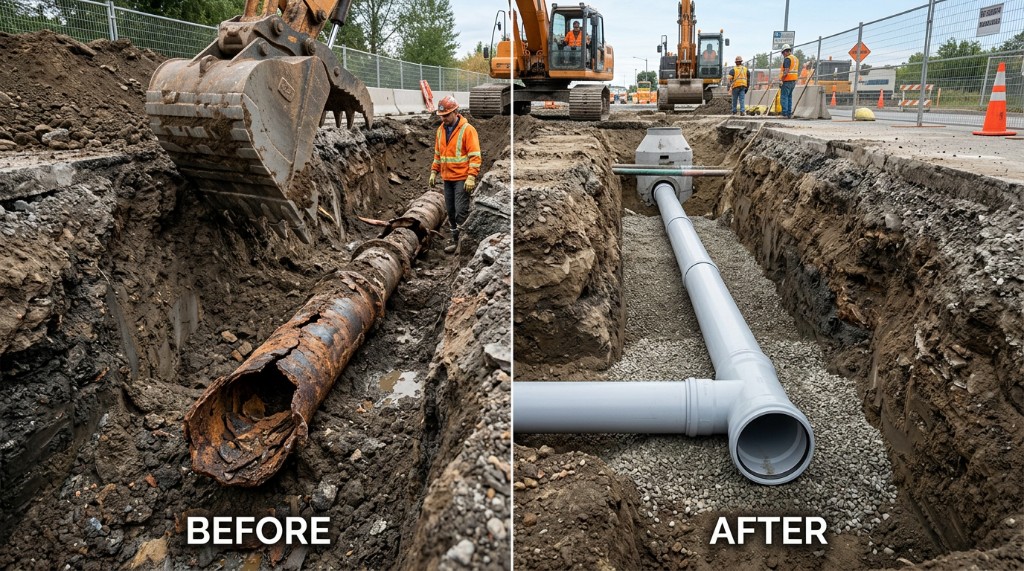
For Connecticut municipalities, commercial properties, schools, industrial facilities, and public works departments, restoration is often more practical than replacement. Full replacement can require demolition, excavation, shutdowns, utility disruption, permitting, bypass pumping, traffic control, and major reconstruction. Restoration allows many assets to be repaired in place, provided the structure is still a viable candidate.
The work may involve cleaning, removal of unsound material, crack repair, joint repair, mortar repair, structural patching, waterproofing, surface rebuilding, coatings, linings, or targeted reinforcement. The technical priority is to stop the cause of deterioration and rebuild the asset with materials that match the exposure. Done correctly, infrastructure restoration can extend service life, improve safety, reduce emergency repairs, and give owners a clearer maintenance path.
Pipelining Services
Pipelining services restore damaged pipe from the inside without open-cut replacement in many cases. This is one of the most important services for commercial, municipal, and institutional properties because sewer and storm lines often run under buildings, roads, parking lots, sidewalks, landscaping, or active business areas. Digging up the line can be expensive, disruptive, and sometimes nearly impossible without major operational impact.
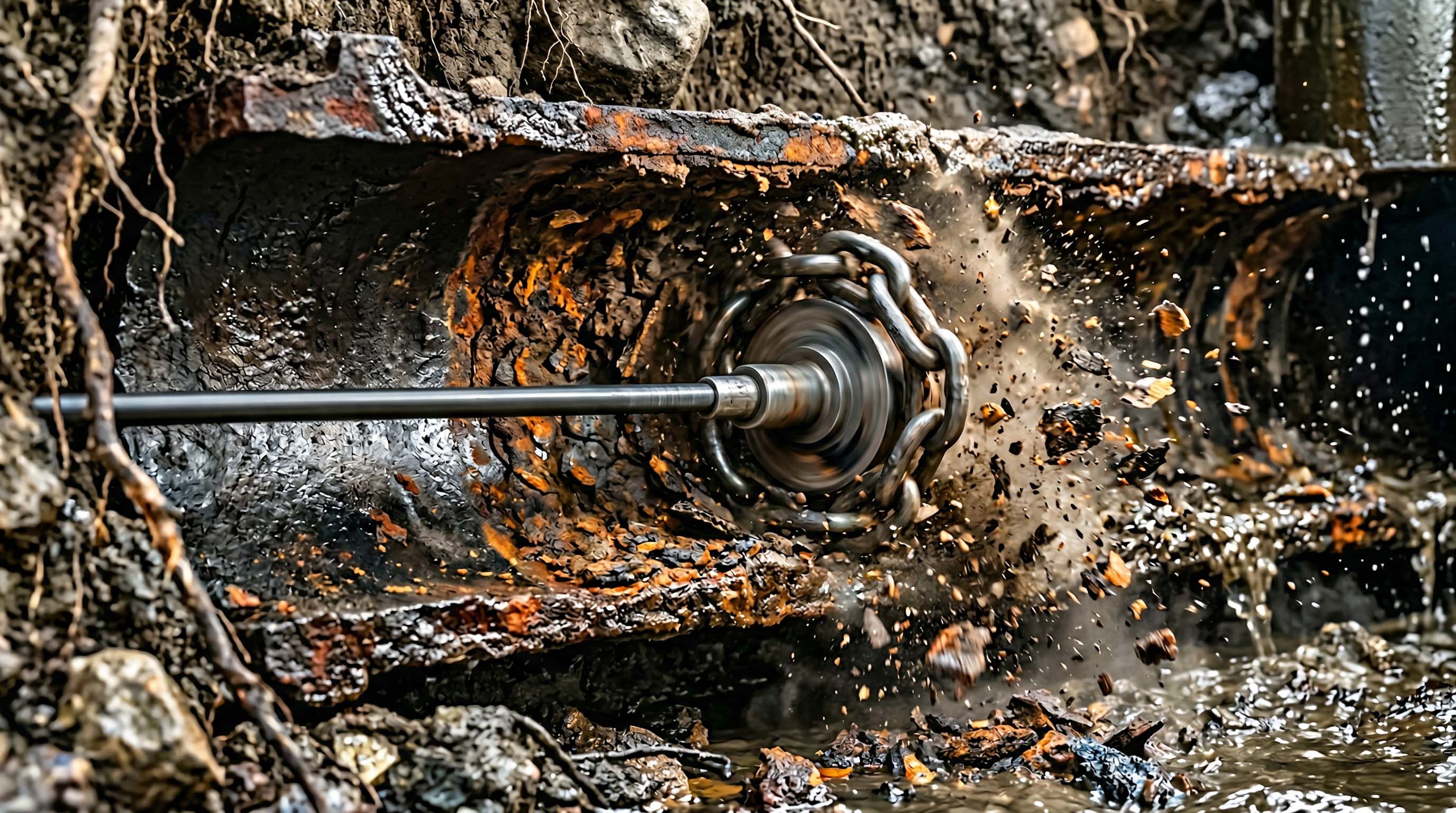
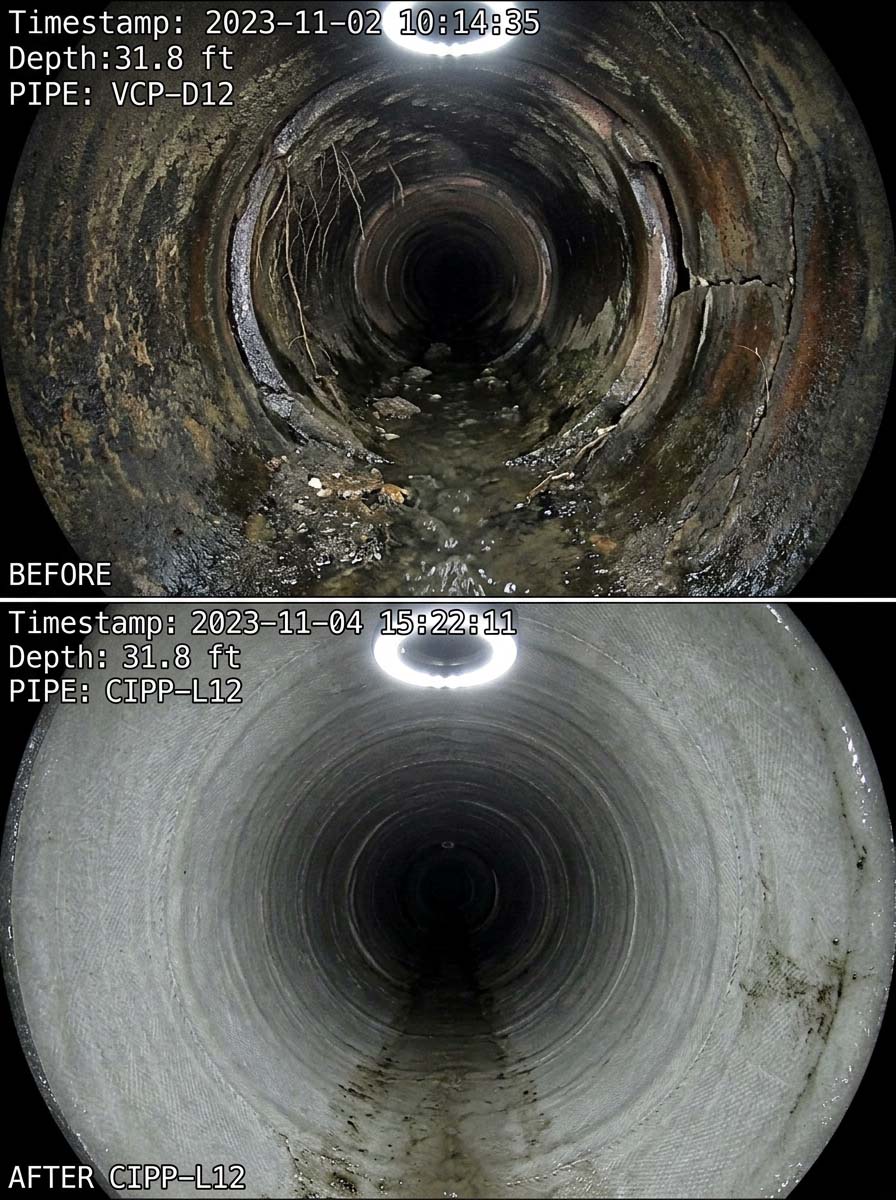
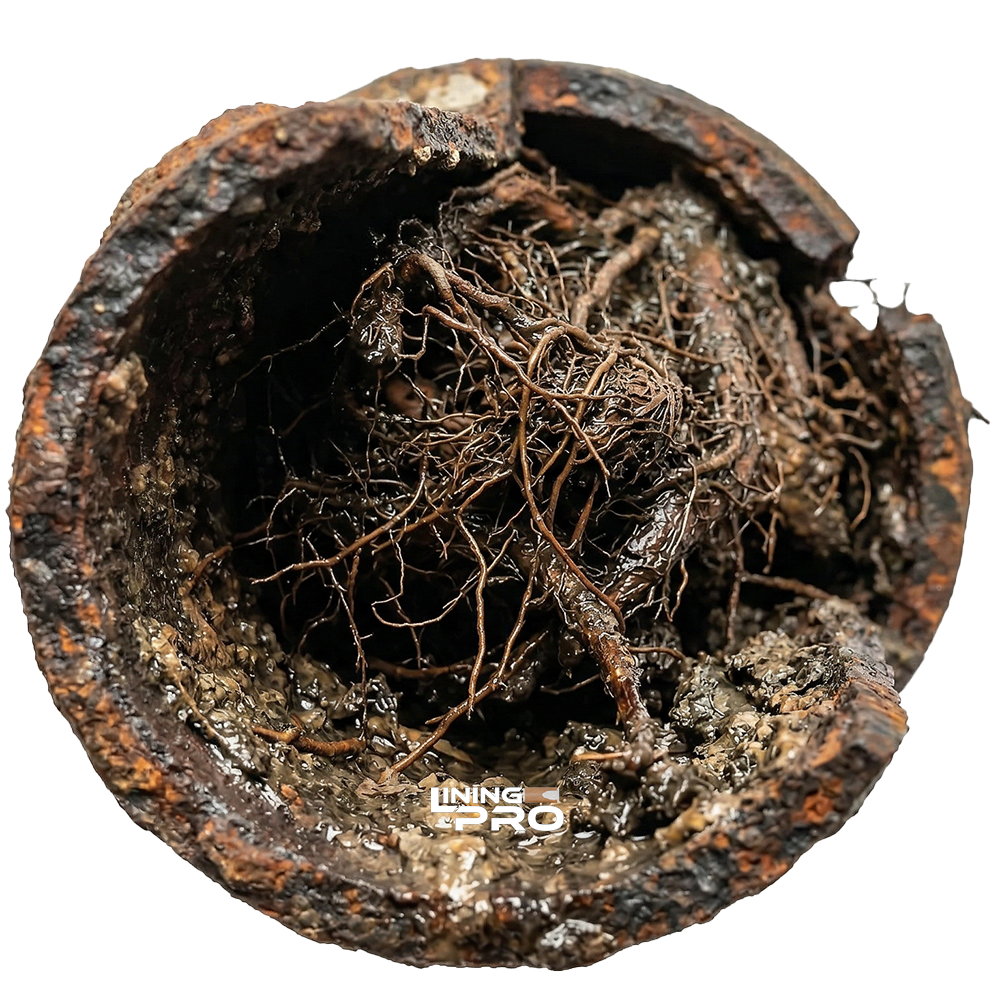
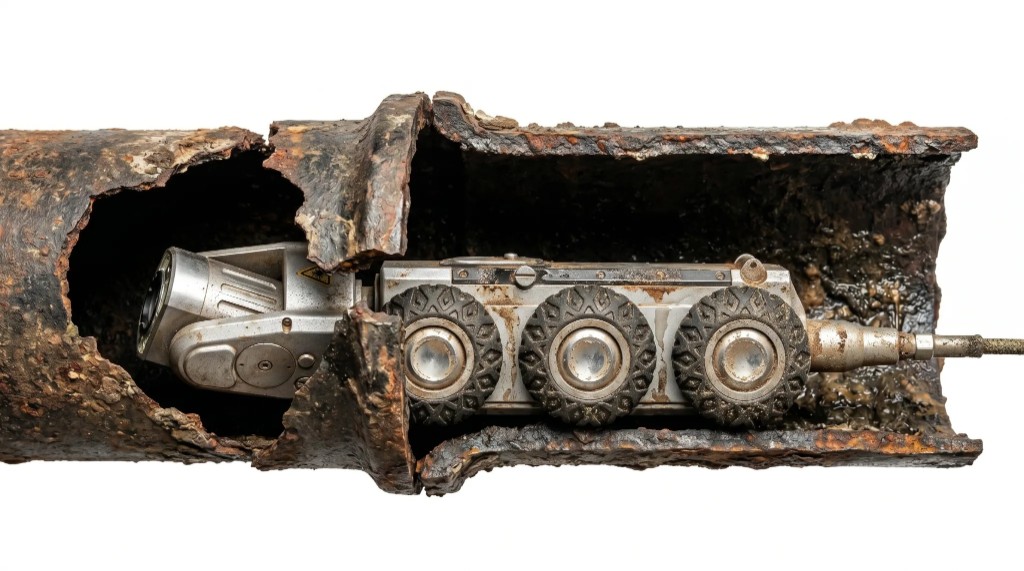
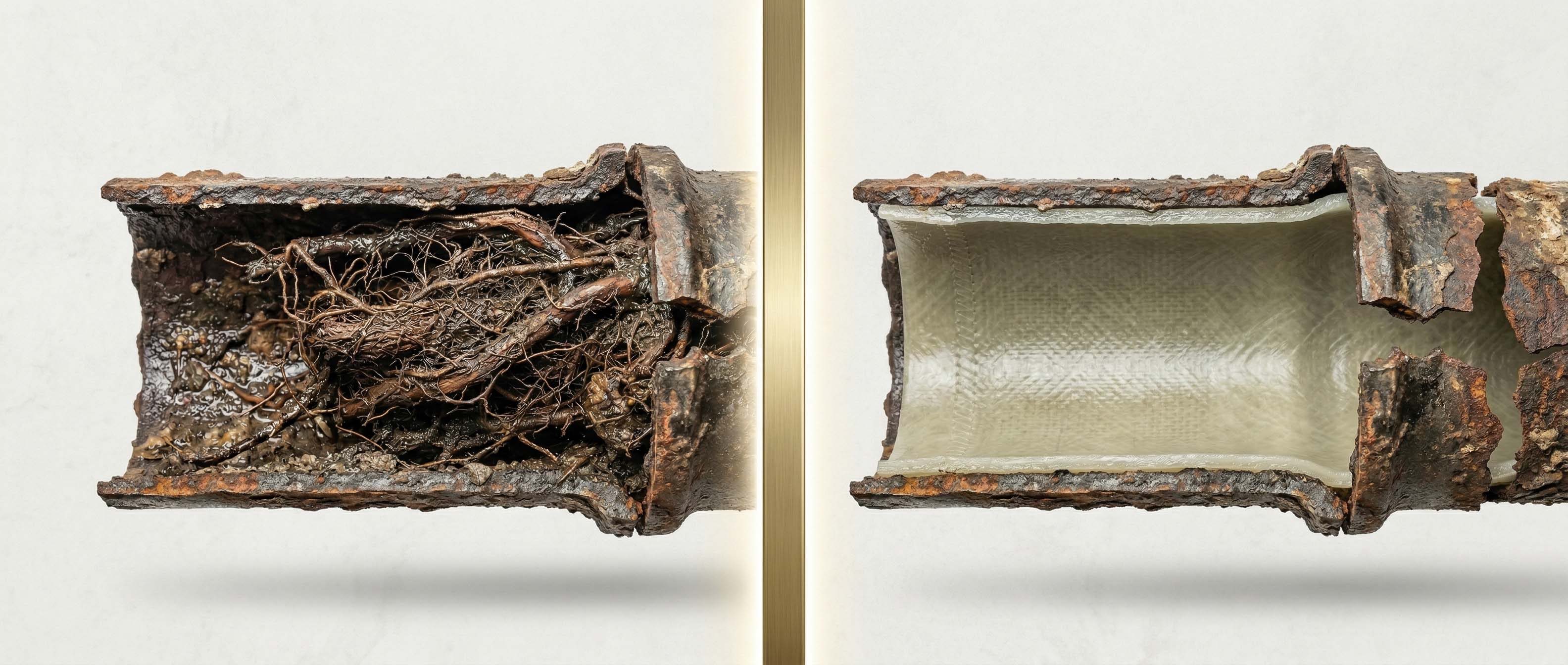
Savy & Sons’ pipe lining work can address cracked pipe, leaking joints, root intrusion, corrosion, infiltration, missing pipe sections, failed laterals, and aging sewer or stormwater lines. The process typically begins with camera inspection and cleaning. The line must be understood before it can be repaired. Crews need to know the pipe material, diameter, length, defect type, depth, access points, bends, service connections, and flow conditions.
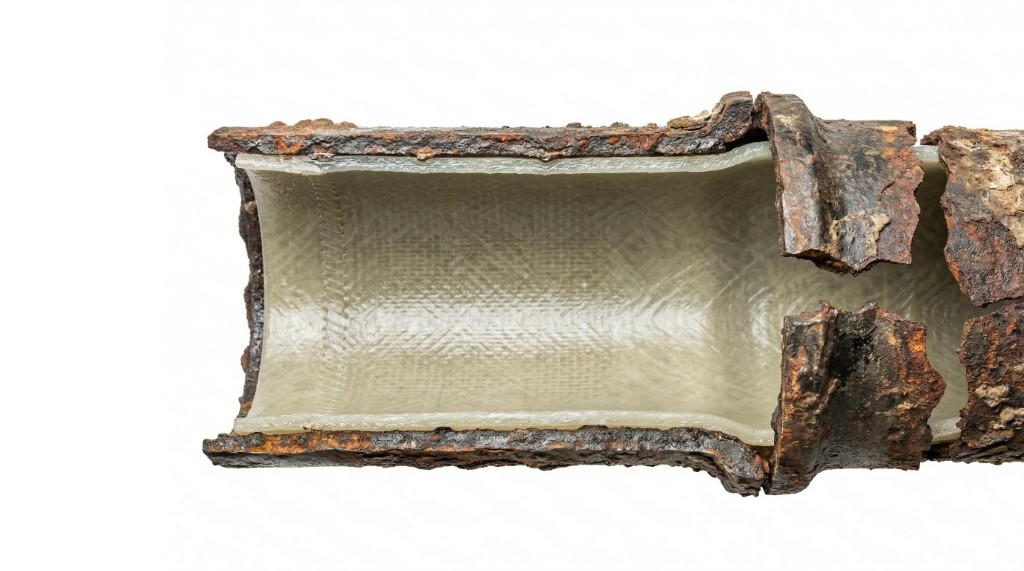
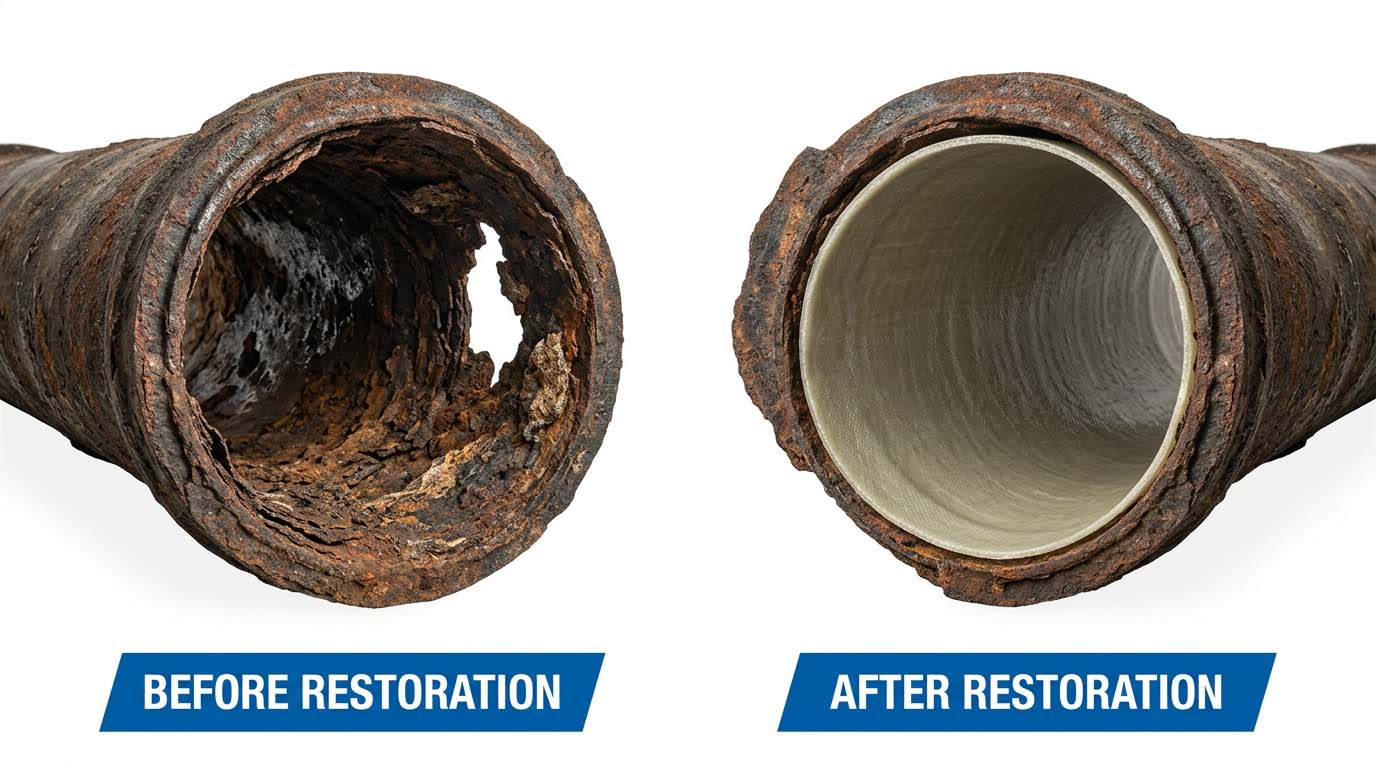
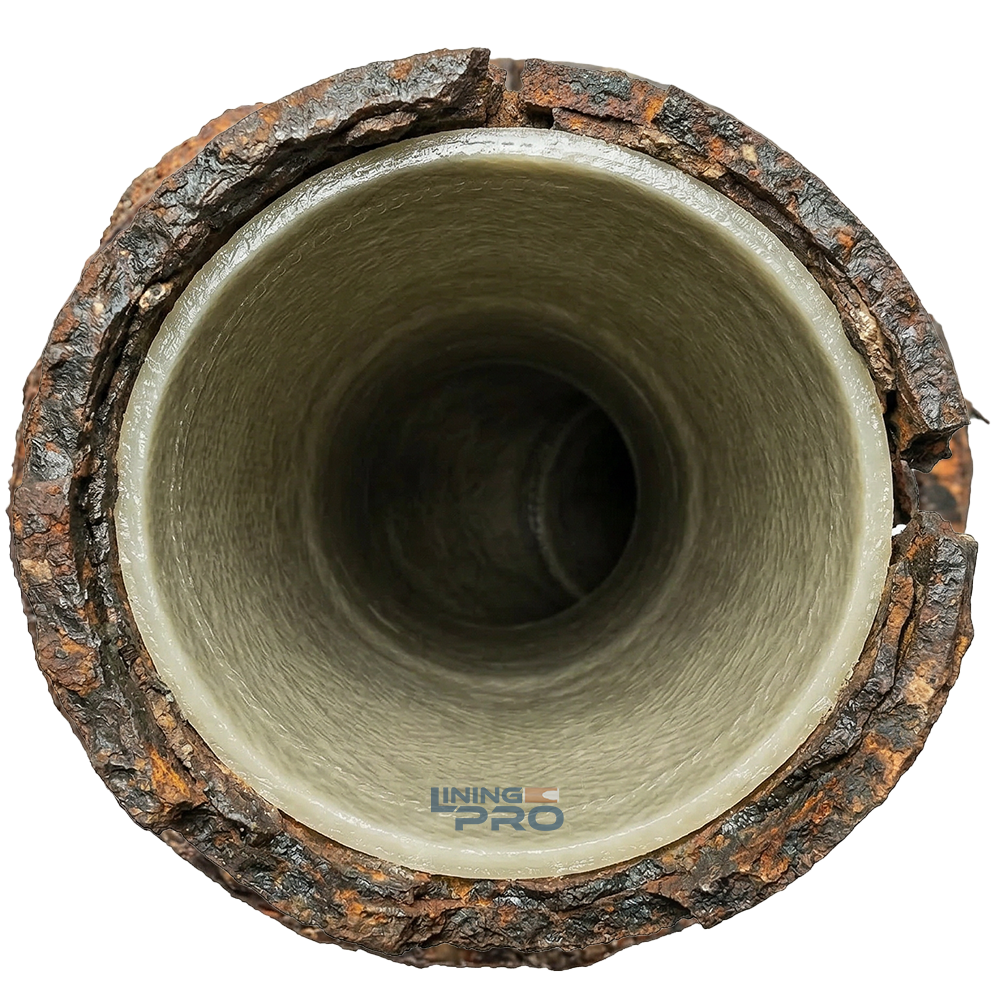
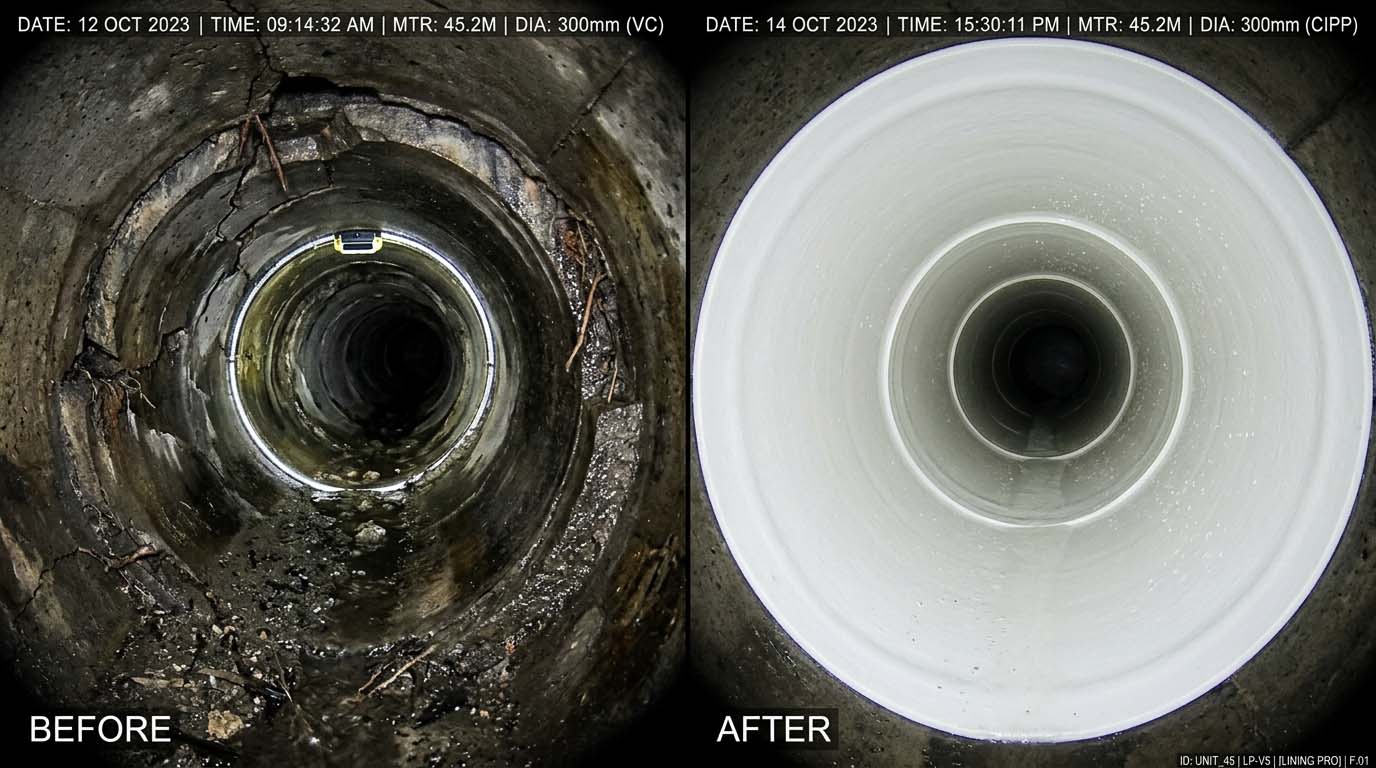
Trenchless lining methods, including cured-in-place pipe, create a new pipe wall inside the old host pipe. Once cured, the liner can restore structural integrity, seal joints and cracks, reduce infiltration, and improve reliability without replacing the entire pipe by excavation. For Connecticut properties with older clay, cast iron, concrete, or other aging pipe materials, pipelining can be a practical way to correct pipe failure while keeping the site in service.
Commercial Sewer Camera Inspections
Sewer camera inspection is the diagnostic step that determines what is actually happening inside a pipe. For commercial buildings, campuses, industrial facilities, and municipal systems, guessing is not acceptable. A blockage might be caused by grease, scale, roots, a belly, a broken joint, offset pipe, collapsed pipe, infiltration, construction debris, or a failed lateral connection. Each condition requires a different repair approach.
A proper sewer inspection documents pipe condition, flow restrictions, material type, defect locations, branch connections, and access limitations. In larger or more complex systems, the inspection may include mainlines, laterals, vertical stacks, cleanouts, manholes, and transition points. This information supports repair planning, budgeting, lining design, cleaning requirements, and decisions about whether the pipe can be rehabilitated or must be replaced.
For property managers and facility owners, camera inspection also creates a record. That record can be used for capital planning, insurance documentation, due diligence, preventative maintenance, and contractor coordination. It turns an unknown underground problem into a visible condition that can be discussed and priced with more confidence.
Hydro Jetting and Drain Cleaning
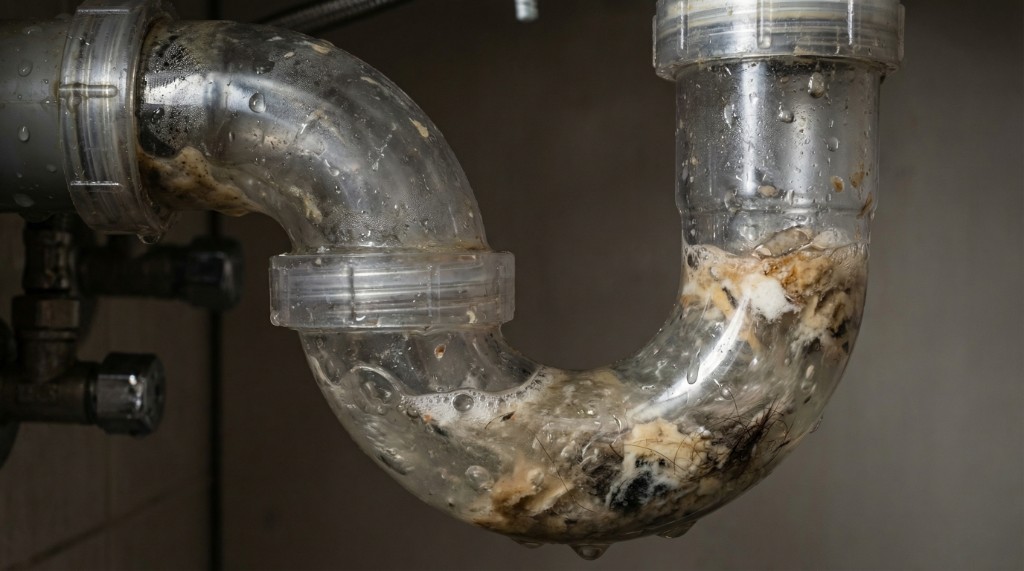
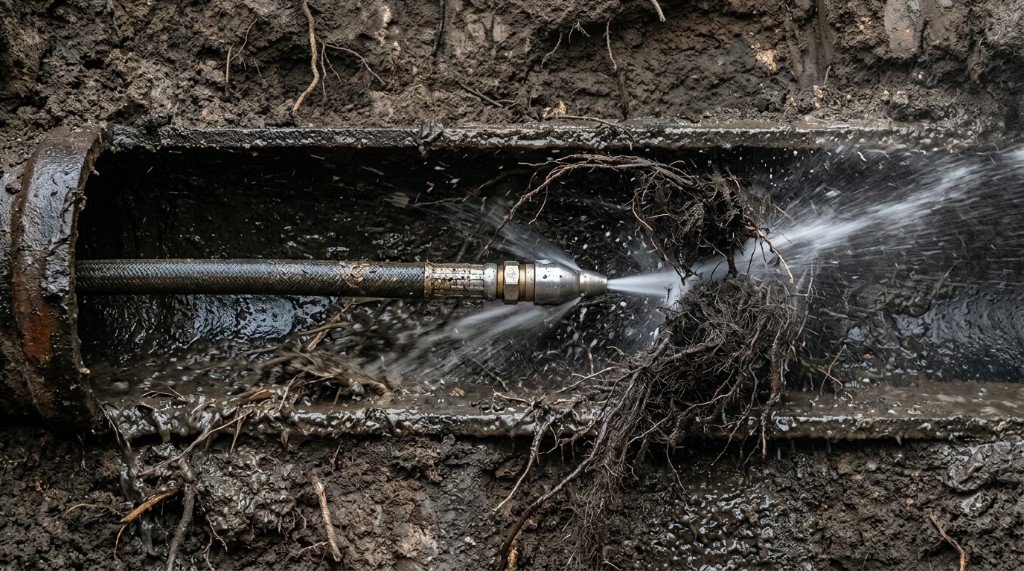
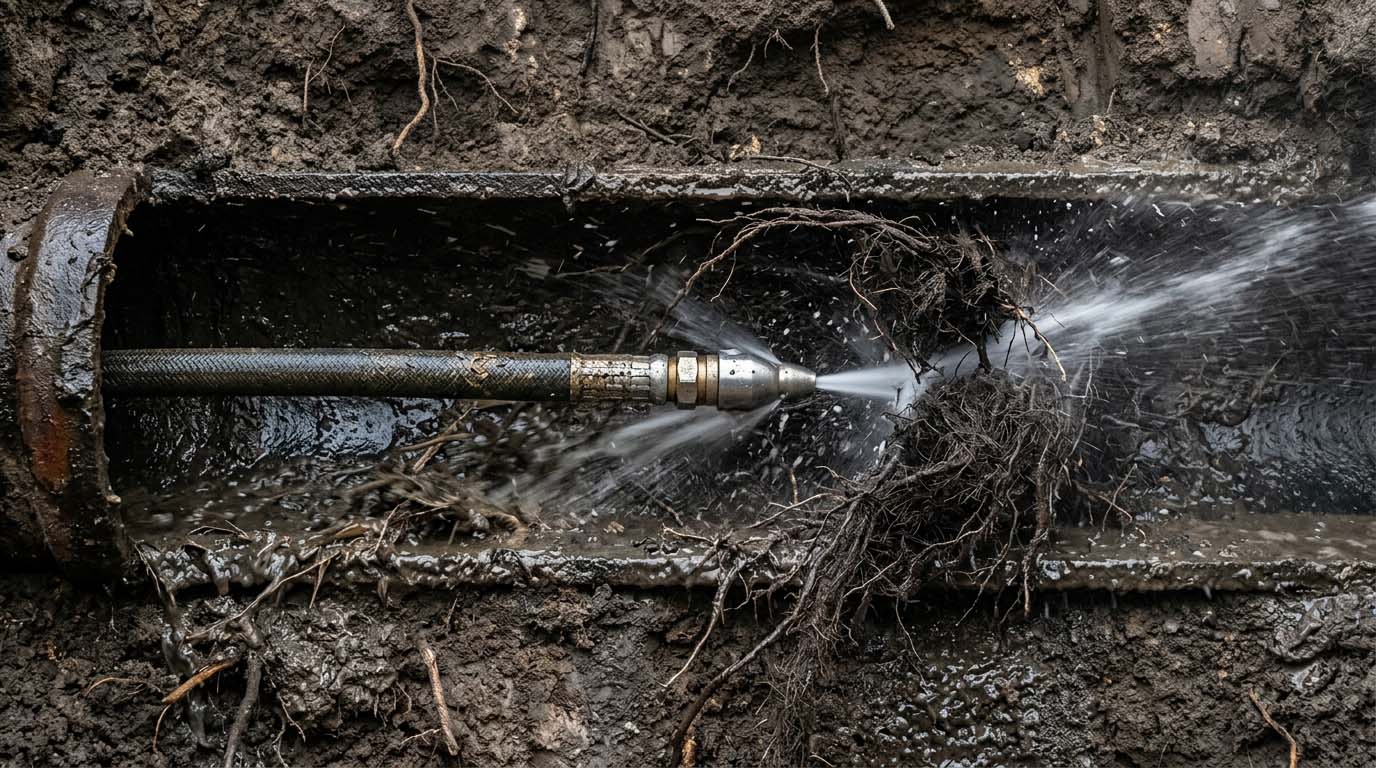
Hydro jetting is used to clean sewer and drain lines with high-pressure water before a blockage becomes a larger failure or before lining work is performed. Commercial sewer systems often collect grease, sludge, scale, sand, roots, mineral buildup, and debris. Snaking may punch a temporary hole through the blockage, but jetting is designed to clean the pipe wall more thoroughly.
This service is important for restaurants, schools, industrial buildings, multi-tenant properties, retail plazas, and facilities with heavy drainage use. A partially restricted sewer line can cause slow drainage, repeat backups, odors, floor drain overflow, and emergency service calls. In some cases, jetting is a maintenance service. In other cases, it is part of the preparation process before CCTV inspection or trenchless lining.
The technical value of hydro jetting is that it helps restore flow and reveal the true condition of the pipe. Heavy buildup can hide cracks, roots, offsets, and defects. Once the pipe is cleaned, inspection becomes more accurate and repair recommendations become more reliable.
Media Blasting
Media blasting is a surface preparation and restoration service used to remove rust, coatings, paint, corrosion, contaminants, and loose material from a substrate. It is often a critical step before coatings, linings, repairs, or restoration work. Without proper surface preparation, even high-quality repair materials can fail.
Media blasting may be used on masonry, concrete, steel, industrial surfaces, tanks, walls, structural components, and other assets that need cleaning or profiling. The selected media and pressure must match the surface and the desired result. Too aggressive of a blast can damage the substrate. Too light of a blast can leave contamination behind. The goal is to create a clean, sound, properly prepared surface that is ready for the next phase of repair or protection.
For Connecticut infrastructure and commercial properties, media blasting is valuable because many structures have decades of coatings, corrosion, staining, moisture damage, or surface contamination. Blasting can expose the true condition of the asset and allow the repair team to move forward with a better foundation.
Seawall Repair
Seawall repair protects shoreline structures from erosion, water movement, soil loss, and structural deterioration. Connecticut has coastal and waterfront properties where seawalls, retaining structures, and shoreline protection systems are exposed to changing water levels, wave action, storms, freeze and thaw conditions, and long-term material degradation.
Seawall problems can show up as cracking, voids behind the wall, soil washout, settlement, leaning, joint failure, water intrusion, or loss of support near the structure. Repair may involve sealing, stabilization, concrete repair, void filling, drainage correction, surface restoration, or other site-specific methods. The goal is to protect the wall and the property behind it before erosion creates a larger structural issue.
Low Density Cellular Concrete
Low density cellular concrete is a lightweight, flowable material used for void filling, abandonment, backfill, load reduction, and stabilization. It can be useful around tunnels, decommissioned pipelines, retaining walls, utility corridors, underground voids, and areas where ordinary fill would be too heavy, difficult to place, or poorly suited to the condition.
Because it is lightweight and highly flowable, low density cellular concrete can fill spaces that are hard to compact with conventional materials. It can reduce load on underlying soils or structures while still creating stable support. In infrastructure work, this can be valuable where settlement, abandoned utilities, inaccessible voids, or complex geometry make traditional backfill less effective.
Concrete Leveling
Concrete leveling restores sunken or uneven slabs by lifting and stabilizing the affected concrete rather than replacing it immediately. Settlement can occur because of poor compaction, erosion, water movement, voids, freeze and thaw cycles, or soil instability. The result may be trip hazards, drainage issues, uneven walkways, settled pads, cracked slabs, or misaligned surfaces.
Concrete leveling can be a cost-effective option when the existing slab is still suitable for repair. The process addresses the void or support issue below the slab and brings the concrete closer to its intended elevation. For commercial and municipal properties, this can reduce safety concerns, improve drainage, and avoid unnecessary demolition when replacement is not yet required.
Slip Lining
Slip lining is a trenchless rehabilitation method that installs a new pipe inside an existing pipe to restore structural function and flow reliability. It is commonly used for sewer, stormwater, potable water, culvert, and industrial pipeline applications where the host pipe is deteriorated but can still accept a new carrier pipe.
The process generally requires access pits or entry points, cleaning, measurement, insertion of the new pipe, grouting of the annular space when required, and reconnection of service points or structures. Slip lining can slightly reduce inside diameter, so hydraulic capacity must be considered. However, the new pipe material may improve flow characteristics compared to the rough or damaged host pipe.
For larger diameter infrastructure and long pipe runs, slip lining can be a durable and practical alternative to full excavation. It is especially useful when the owner needs a predictable structural repair with less surface disruption than open-cut replacement.
Commercial Sewer Line Replacement and Hydro Excavation
When a pipe is too collapsed, misaligned, shallow, crushed, or structurally unsuitable for lining, replacement may be the correct repair. Savy & Sons’ commercial sewer replacement and hydro excavation services support projects where trenchless repair is not enough or where specific sections must be exposed to correct the failure.
Hydro excavation can allow for more controlled digging around utilities, structures, and sensitive areas by using pressurized water and vacuum removal instead of only mechanical excavation. This can reduce the risk of damaging nearby utilities and help crews expose the target area more precisely. For commercial properties, that level of control matters because sewer work often occurs near active buildings, traffic areas, utility corridors, and occupied sites.
Manhole and Lift Station Rehabilitation
Manholes and lift stations are critical access and flow-control points in sewer infrastructure. When they deteriorate, the entire system can suffer from infiltration, corrosion, odor, unsafe access, structural weakness, and flow problems. Rehabilitation may include cleaning, leak stopping, bench and invert repair, concrete rebuilding, protective coating, lining, and waterproofing.
These structures are exposed to harsh wastewater environments and often fail from the inside out. A restored manhole or lift station can reduce groundwater infiltration, protect concrete from continued corrosion, improve worker access conditions, and extend the service life of the system. For Connecticut municipalities, commercial properties, and industrial sites, this service is a practical way to protect high-value sewer assets without defaulting to full replacement.
Connecticut Service Summary
Savy & Sons’ Connecticut service offering is built around restoration instead of unnecessary replacement. Their work combines inspection, cleaning, surface preparation, waterproofing, lining, structural repair, coatings, pipe rehabilitation, concrete repair, and trenchless methods to solve difficult infrastructure problems with less disruption whenever possible.
For property managers, municipalities, engineers, contractors, facility directors, and commercial building owners, the value is clear: understand the failure, repair the asset with the right method, and protect the structure before the problem becomes more expensive.