
Boston Pipelining Company
We Repair Complex Sewer Problems in Boston, MA
Each item below is self-reported by the profile owner and not verified by LiningPro.
Where they service
Full Massachusetts coverage
Statewide service across 20 listed communities
This listing covers Greater Boston and the South Shore. Share the property location and access requirements when requesting service so our team can confirm the project scope and schedule.
Service capabilities
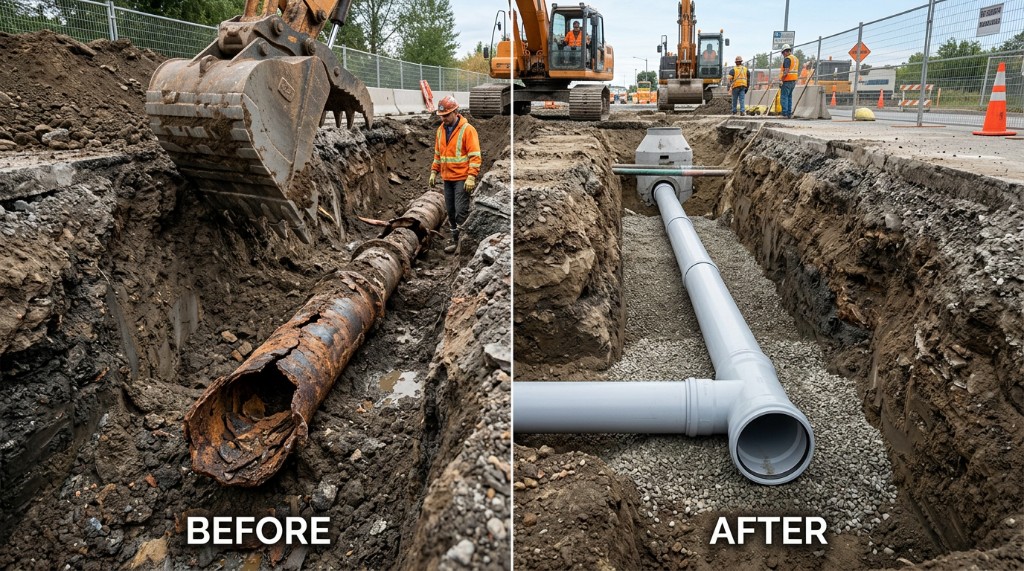
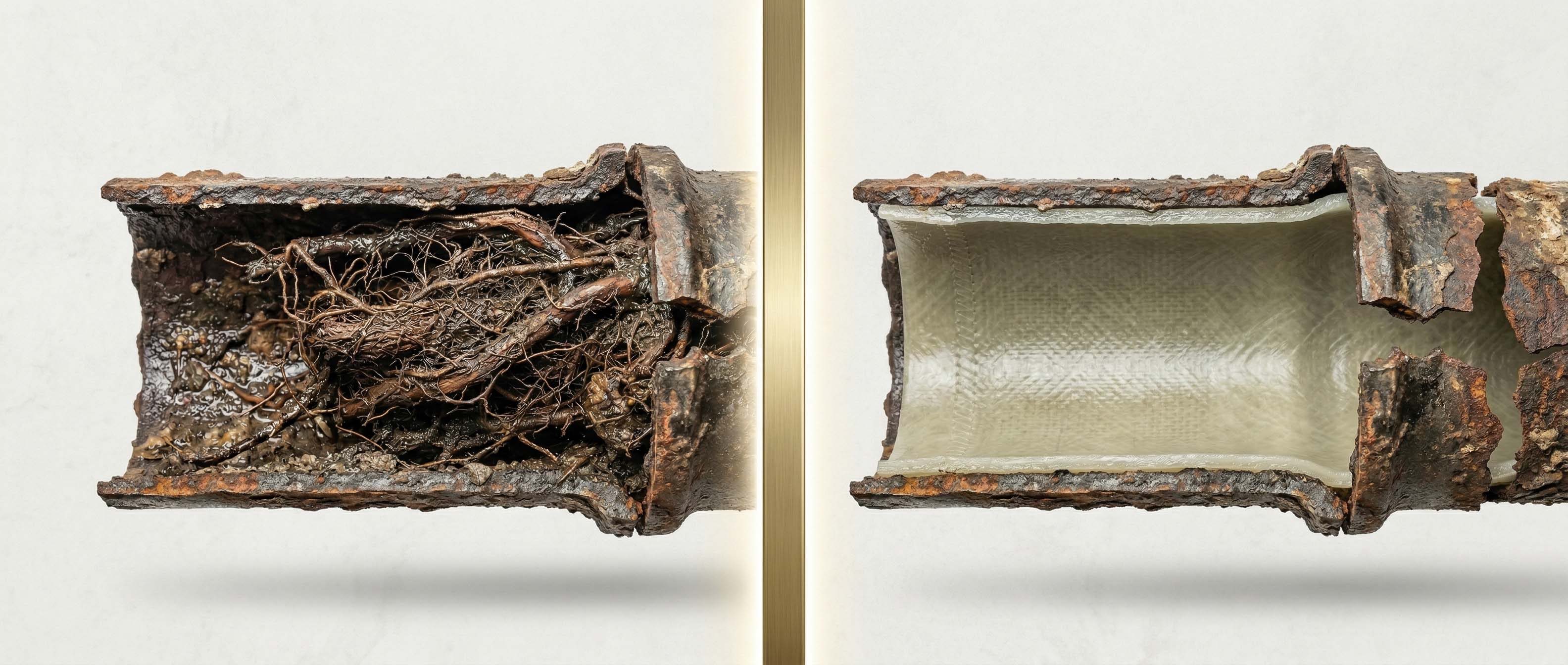
Reference imagery and methodology notes from the LiningPro library. Open a card for the full brief
Each item below is self-reported by the profile owner and not verified by LiningPro.
About Boston Pipelining Company
Boston Pipelining Company specializes in trenchless sewer and drain rehabilitation for residential, commercial, and municipal pipe systems throughout the Boston area. Instead of relying on traditional excavation, the company focuses on modern pipe lining methods that restore damaged sewer lines from the inside, helping property owners avoid unnecessary digging, pavement removal, landscaping damage, and extended downtime. Their work is commonly used for aging cast iron, clay, and sewer lateral piping affected by cracks, root intrusion, corrosion, scaling, joint separation, and recurring blockages. Through video inspection, cleaning, preparation, and cured-in-place pipe lining, Boston Pipelining Company can evaluate the condition of the line, identify problem areas, and install a durable internal liner that creates a smooth, structurally sound pipe within the existing pipe. This approach is especially valuable in dense New England environments where access is limited, excavation is expensive, and preserving hardscapes, foundations, utilities, and public surfaces is critical.
Boston Pipelining Company
Boston Pipelining Company is a Greater Boston and South Shore trenchless sewer rehabilitation company led by Mike Walsh, an owner with deep roots in drain, sewer, inspection, cleaning, and pipe restoration work around eastern Massachusetts. The company focuses on zero-dig sewer repair, cured-in-place pipe lining, UV-cured liner installation, epoxy pipe coating, sewer camera inspection, high-pressure jetting, and pipe preparation work for residential, commercial, multifamily, and municipal sewer systems.
For property owners in Boston, Quincy, Weymouth, Hingham, Milton, Norwell, Marshfield, Scituate, Braintree, Cohasset, Dorchester, Roxbury, Jamaica Plain, West Roxbury, Randolph, Rockland, Back Bay, South End, and the surrounding South Shore communities, the value is direct. Boston Pipelining Company is built for situations where open excavation would be expensive, disruptive, or difficult to justify. Instead of cutting floors, breaking driveways, removing finished basement slabs, disturbing landscaping, or opening long trenches through tight urban property, Mike Walsh and his team evaluate the existing pipe from the inside and determine whether the host pipe can be cleaned, prepared, and structurally rehabilitated in place.
Owner-Led Sewer Rehabilitation Experience
Mike Walsh’s background matters because trenchless sewer repair is not just a product sale. It is a field decision process. A good lining contractor has to understand how the pipe failed, how much structure remains, where offsets or transitions are located, how groundwater is entering the system, how roots and scale affect liner placement, and whether the access points are suitable for a controlled installation. Boston Pipelining Company reflects that practical owner-led model. The work starts with inspection and diagnosis before anyone talks about lining as the answer.
Mike’s broader operating history in the Greater Boston sewer and drain market gives Boston Pipelining Company a stronger technical footing than a company that only sells lining as a shortcut. Older buildings around Boston and the South Shore often involve cast iron, clay, orangeburg, vitrified clay, PVC repairs tied into older pipe, belly sections, root intrusion, scale, fractures, open joints, failing laterals, and lines running below finished spaces. Each of those conditions has to be handled differently. A liner is only as good as the assessment, cleaning, preparation, calibration, curing, reinstatement, and final camera verification behind it.
Technical Overview of the Work
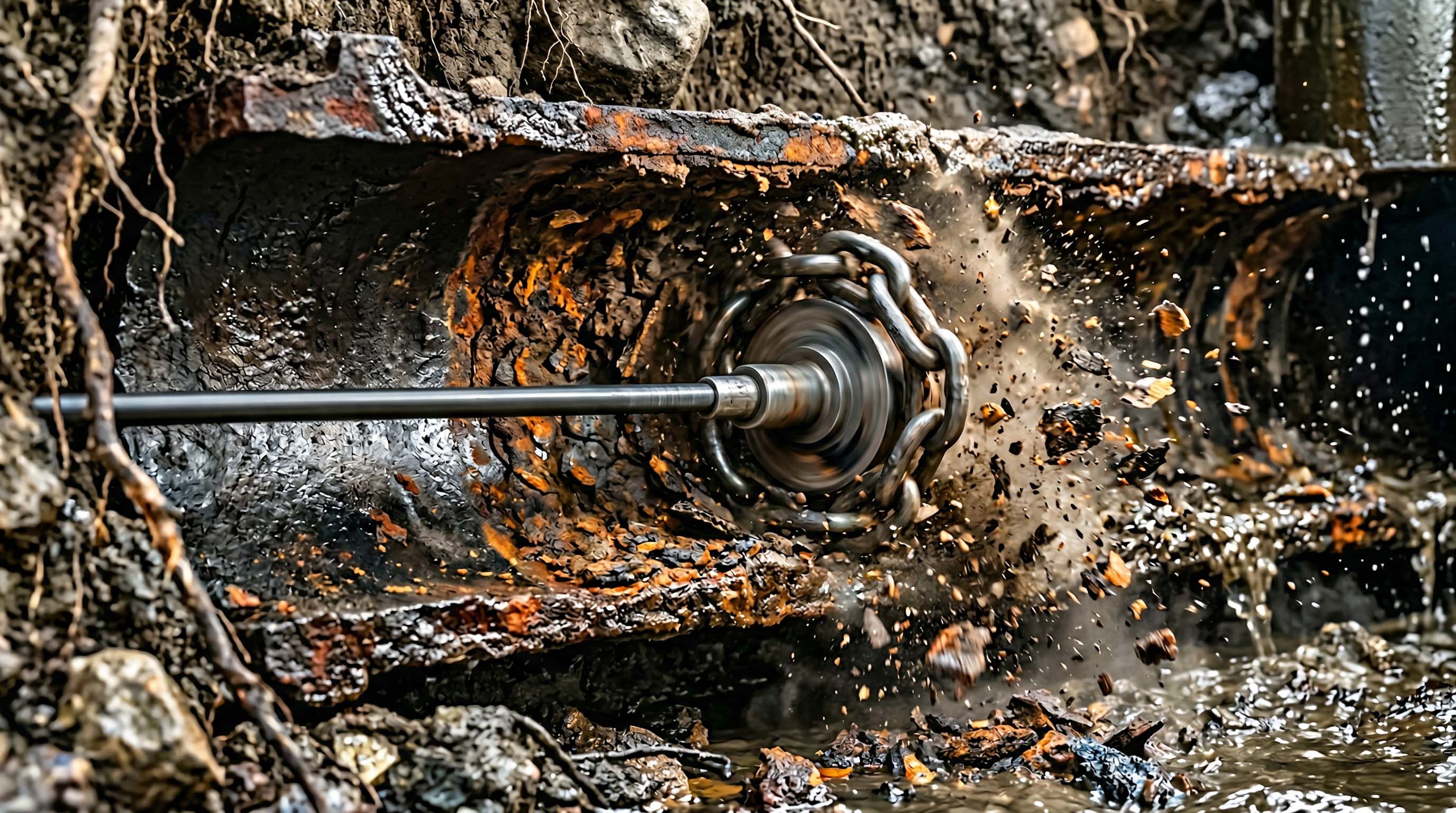
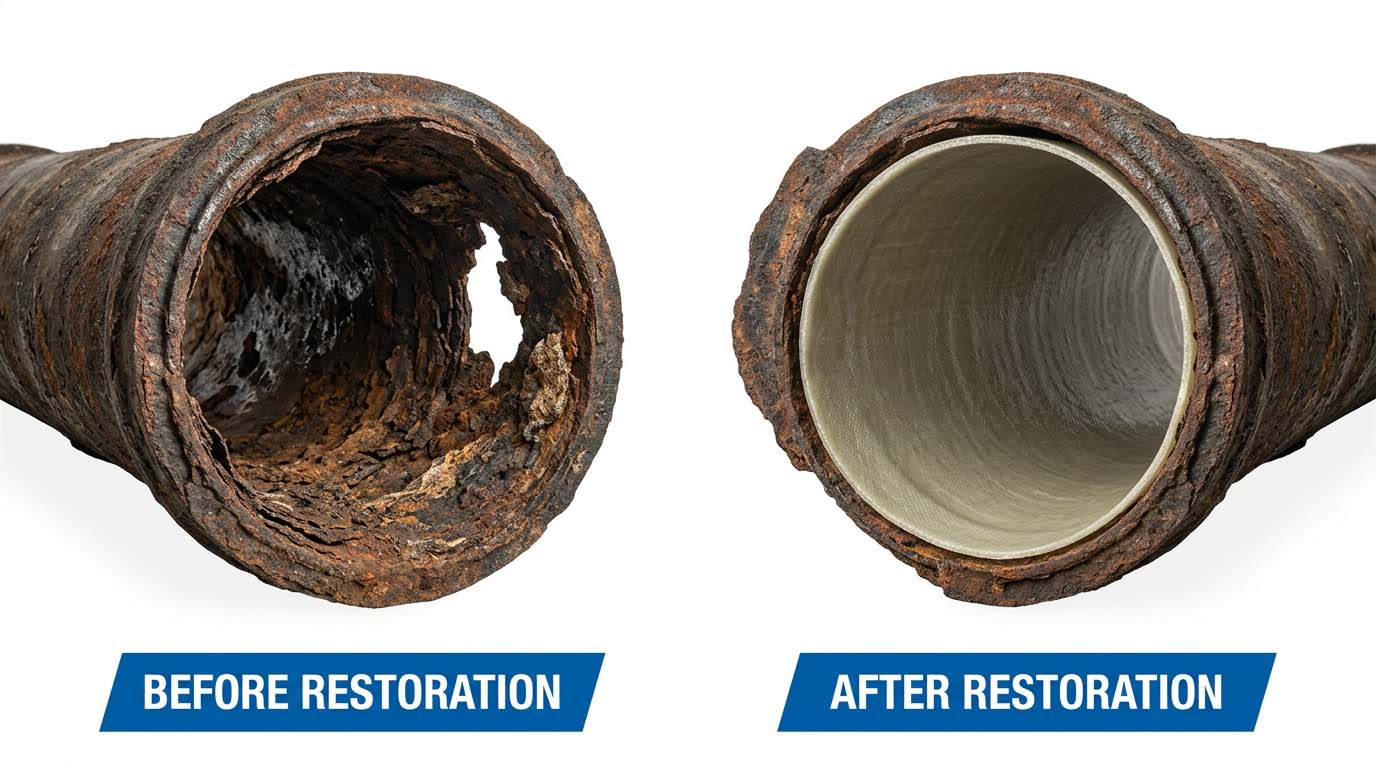
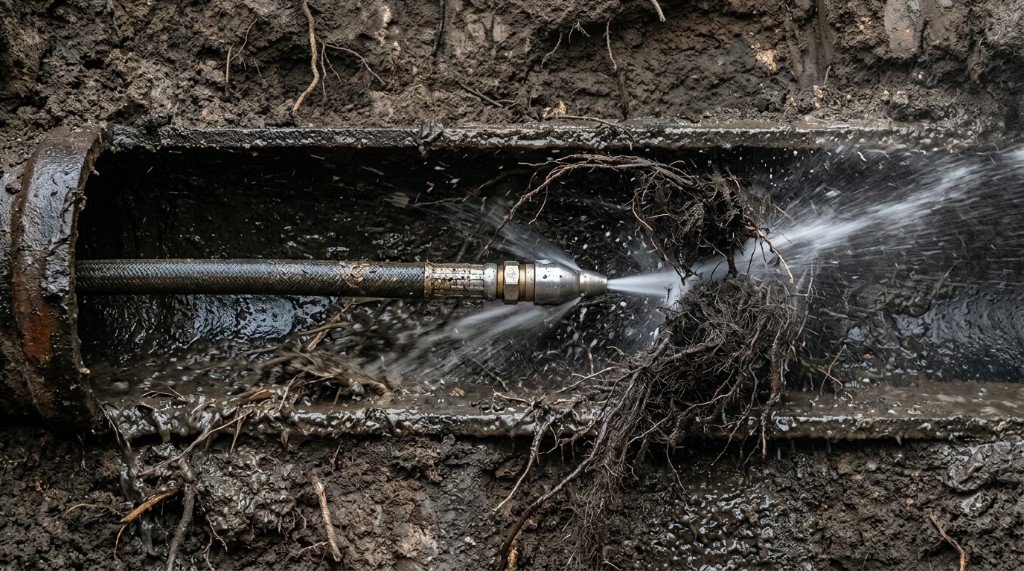
Boston Pipelining Company uses trenchless pipe restoration methods to create a new pipe within the existing host pipe. In a typical CIPP process, the existing sewer is first inspected with a sewer camera to identify defects, measure the run, locate transitions, confirm access, and determine whether the pipe can receive a liner. The line is then cleaned using appropriate mechanical or hydraulic methods. That preparation may include hydro jetting, root removal, corrosion scale removal, debris clearing, or additional pipe preparation when the interior wall is not ready for lining.
Once the pipe is clean and verified, the liner is measured and prepared for the specific diameter, length, and condition of the run. Depending on the project, the liner may be inverted or pulled into place, expanded against the interior wall, and cured using the selected curing method. Boston Pipelining Company publicly references CIPP lining and UV-cured liner technology. UV curing can be useful in the right conditions because it allows controlled curing inside the pipe, reduced job time, and a cleaner workflow compared with some older curing approaches. The final objective is a continuous pipe-within-a-pipe that bridges defects, seals the flow path, improves hydraulic performance, and avoids unnecessary excavation when the host pipe is suitable.
Documented Project Example: Jamaica Plain UV-Cure Sewer Lining
One of Boston Pipelining Company’s published project examples describes a trenchless sewer lining project in Jamaica Plain, Boston. The property involved a failing 6-inch sewer line below a finished basement floor. Instead of excavating the basement slab, the company documented a process that started with video inspection, identified fractures and infiltration points, cleaned the line, prepared the pipe, measured the liner, installed a UV-cured liner, inflated it, and cured it in place. This is the type of project where trenchless work can make the most sense because the repair area is under finished living space and traditional excavation would create major disruption.
That case study is useful because it shows the actual decision path behind Boston Pipelining Company’s work. The project was not presented as lining first and inspection later. It began with camera verification, then pipe cleaning, then liner selection, then curing, then restoration of service without breaking the concrete floor. That sequence is what property owners, facility managers, and real estate professionals should look for when comparing trenchless contractors in Boston or the South Shore.
Documented Project Example: 65 Feet of 4-Inch Sewer Laterals in Boston
Boston Pipelining Company has also publicly referenced work involving 65 feet of 4-inch sewer laterals in Boston. Small-diameter laterals are common in older neighborhoods and can be technically demanding because they often involve limited access, tight bends, branch connections, older pipe material, and interior buildup. A 4-inch lateral repair is not the same as a large open mainline project. The contractor has to control cleaning, liner thickness, inversion or pull-in alignment, cure quality, and post-install verification without creating a restriction in the pipe.
For Boston properties with older laterals, especially in neighborhoods such as Dorchester, Roxbury, Jamaica Plain, South End, Back Bay, West Roxbury, and Quincy, this type of lateral work is often the difference between repeated emergency drain calls and a more permanent rehabilitation plan. The right candidate line must be inspected first. If the pipe is collapsed, severely offset, improperly pitched, or missing structural continuity, excavation or partial replacement may still be required. When the pipe is a proper lining candidate, trenchless rehabilitation can reduce surface damage, shorten downtime, and preserve finished property.
Where Boston Pipelining Company Fits Best
Boston Pipelining Company is a strong fit for property owners and managers dealing with repeated sewer backups, root intrusion, cracked laterals, leaking joints, cast iron deterioration, clay pipe defects, sewer odor concerns, infiltration, and recurring drain cleaning with no long-term correction. The company’s service model is especially relevant when a sewer line runs below a basement slab, finished floor, driveway, walkway, landscaped area, commercial entry, parking area, restaurant floor, multifamily corridor, or municipal right of way where excavation would be costly and disruptive.
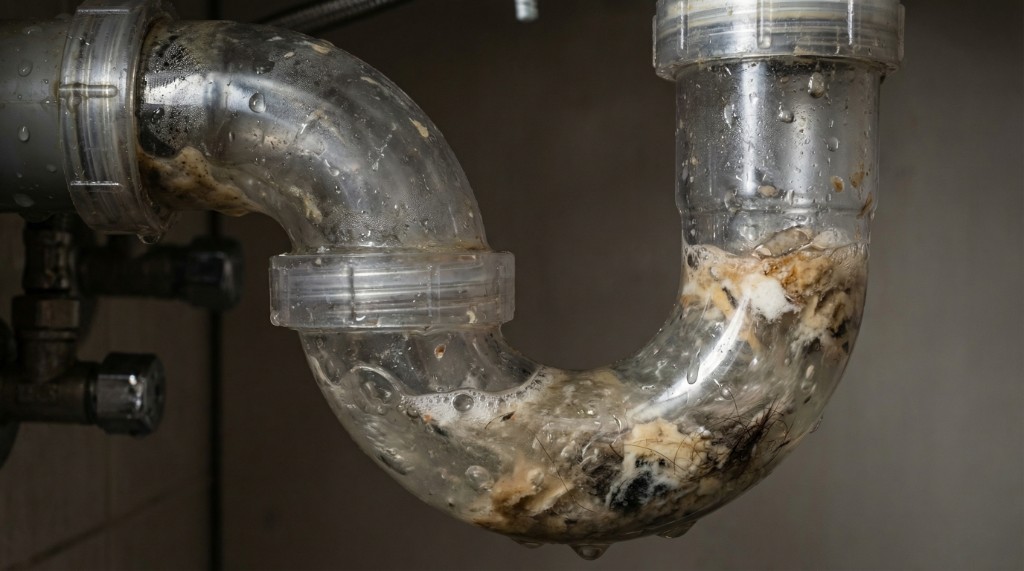
In Boston and the surrounding area, many sewer failures are not simple clogs. They are infrastructure problems. A cable or jetter can restore temporary flow, but if the camera shows fractures, root entry, missing pipe wall, open joints, offset clay, failing cast iron, or infiltration, cleaning alone does not solve the reason the problem keeps coming back. Boston Pipelining Company’s role is to move the conversation from temporary clearing to actual pipe rehabilitation when the pipe condition supports it.
Services and Capabilities
Cured-in-Place Pipe Lining
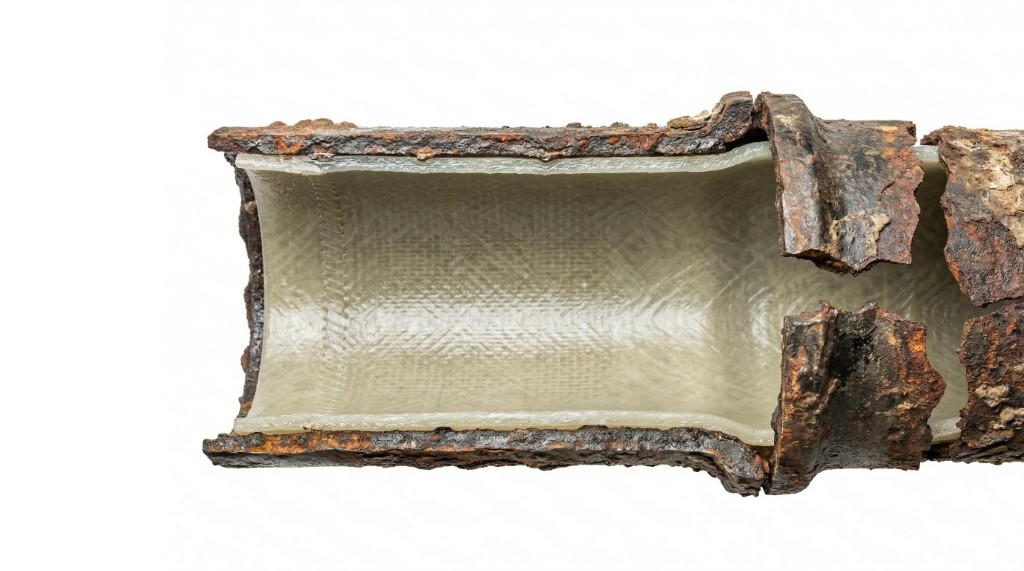
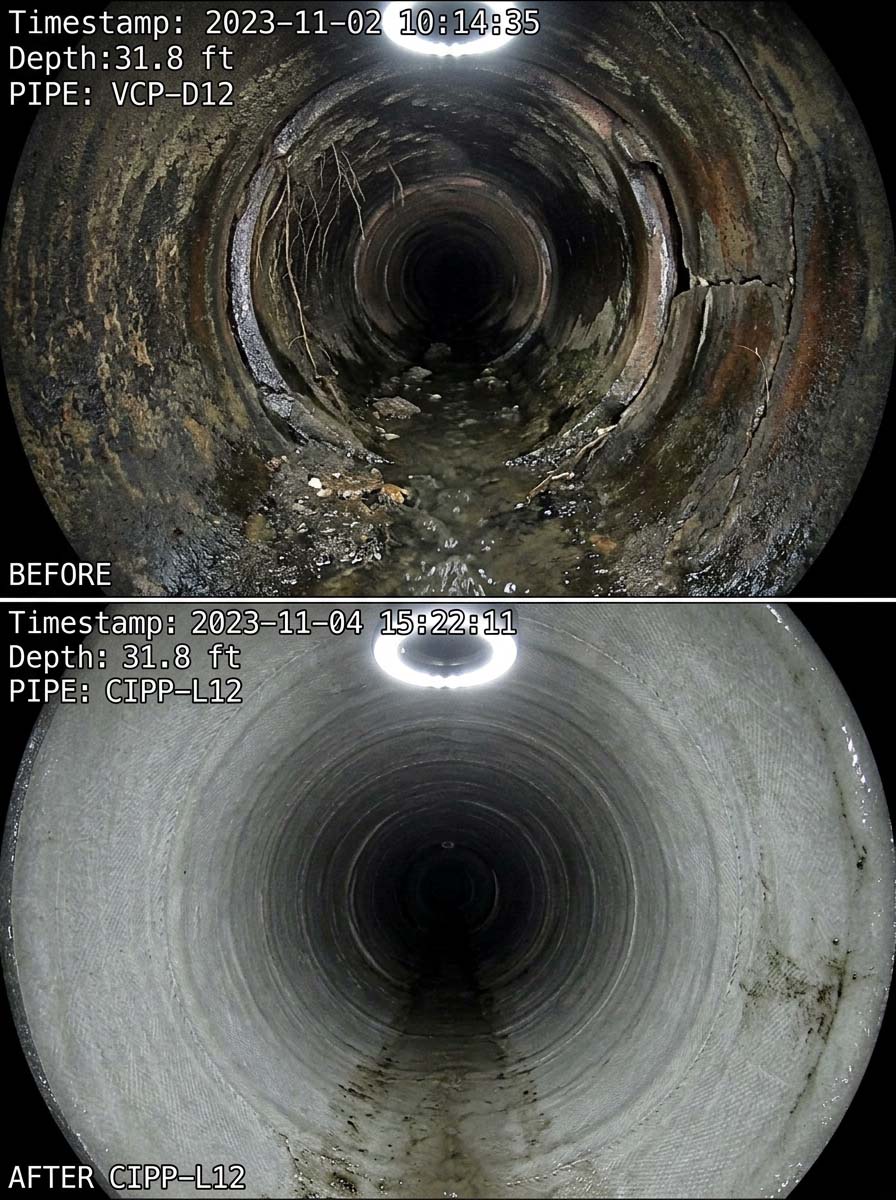
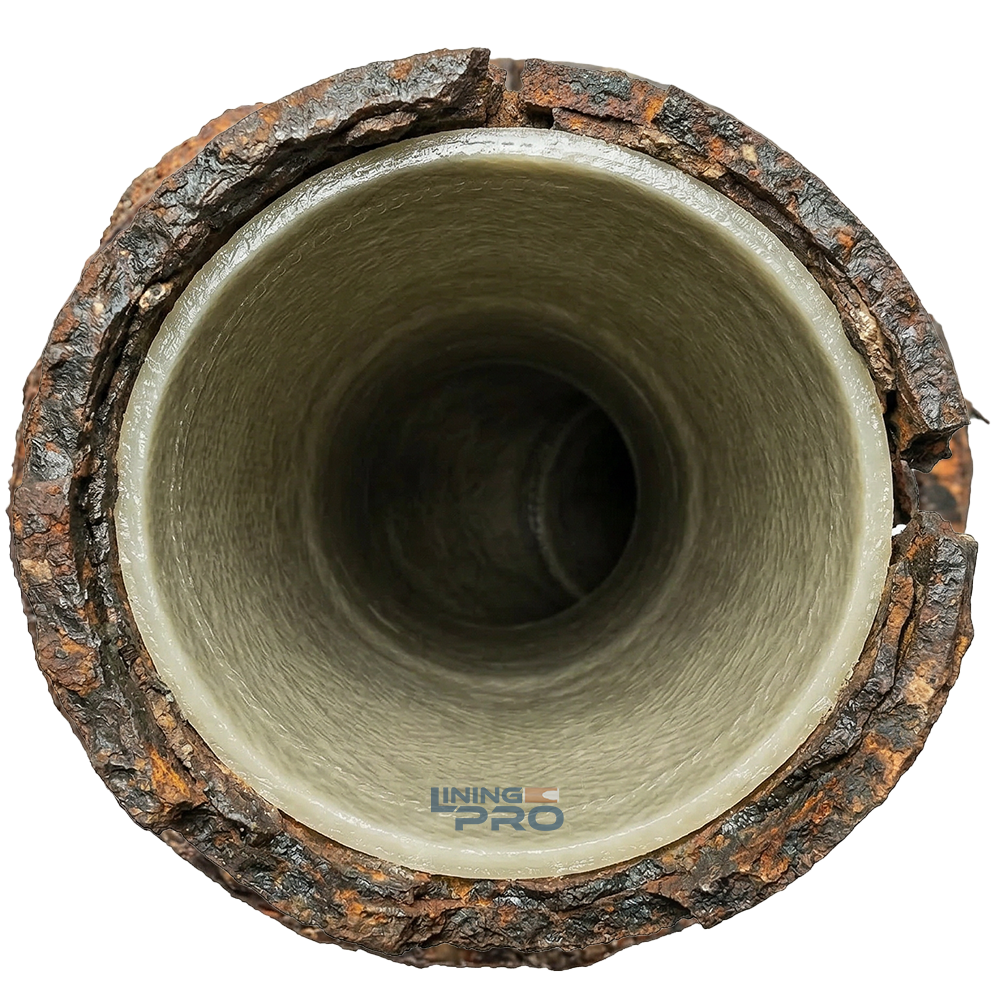
CIPP lining is one of Boston Pipelining Company’s core trenchless repair methods. It is used to rehabilitate a damaged sewer line from the inside by installing a resin-saturated liner into the existing pipe and curing it into a hardened new pipe wall. Proper CIPP work requires more than installing a sleeve. The existing line has to be cleaned, measured, evaluated, and verified before the liner is installed. After cure, the line should be inspected again to confirm the liner is properly seated, the flow path is open, and the repair area is complete.
UV-Cured Pipe Lining
UV-cured lining is a controlled trenchless method that uses ultraviolet light to cure the liner after it is positioned inside the pipe. In the right application, UV cure can reduce curing time, improve jobsite control, and limit disruption for occupied homes, commercial properties, and interior basement work. Boston Pipelining Company has publicly documented use of UV-cured technology in a Jamaica Plain sewer repair, including camera inspection, cleaning, liner preparation, inflation, and curing inside the existing pipe.
Epoxy Pipe Coating
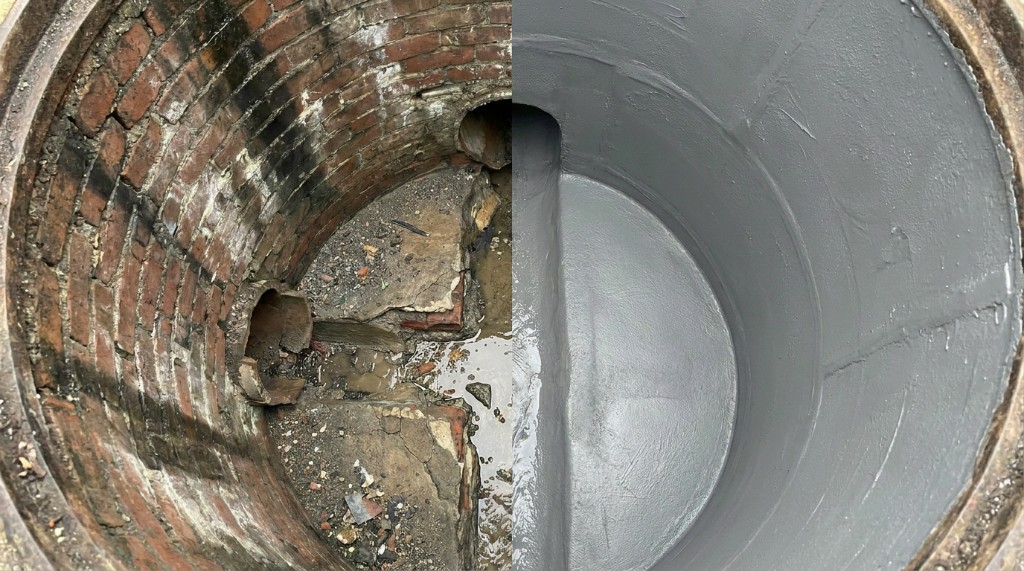
Epoxy coating can be useful where the goal is to protect or renew the interior surface of certain drain or sewer piping without full replacement. The pipe must be cleaned and prepared correctly before coating. Coating is not a magic fix for every failed pipe. If the host pipe is structurally compromised, severely deformed, collapsed, or missing sections, the contractor needs to identify that before recommending a coating approach. Boston Pipelining Company lists epoxy coatings as part of its service offering, which gives property owners another rehabilitation option when the pipe condition fits the method.
Sewer Camera Inspection
Camera inspection is the foundation of proper sewer rehabilitation. A camera allows the crew to document the line, identify defects, locate the problem area, and determine whether the pipe is a lining candidate. A good inspection should look for cracks, offsets, root entry, infiltration, corrosion, scale, standing water, sags, missing pipe, failed joints, transitions, branch connections, and access limitations. For homeowners, buyers, property managers, and commercial owners, the camera record is also valuable because it supports decisions, budgets, insurance conversations, real estate negotiations, and repair planning.
High-Pressure Jetting and Pipe Preparation
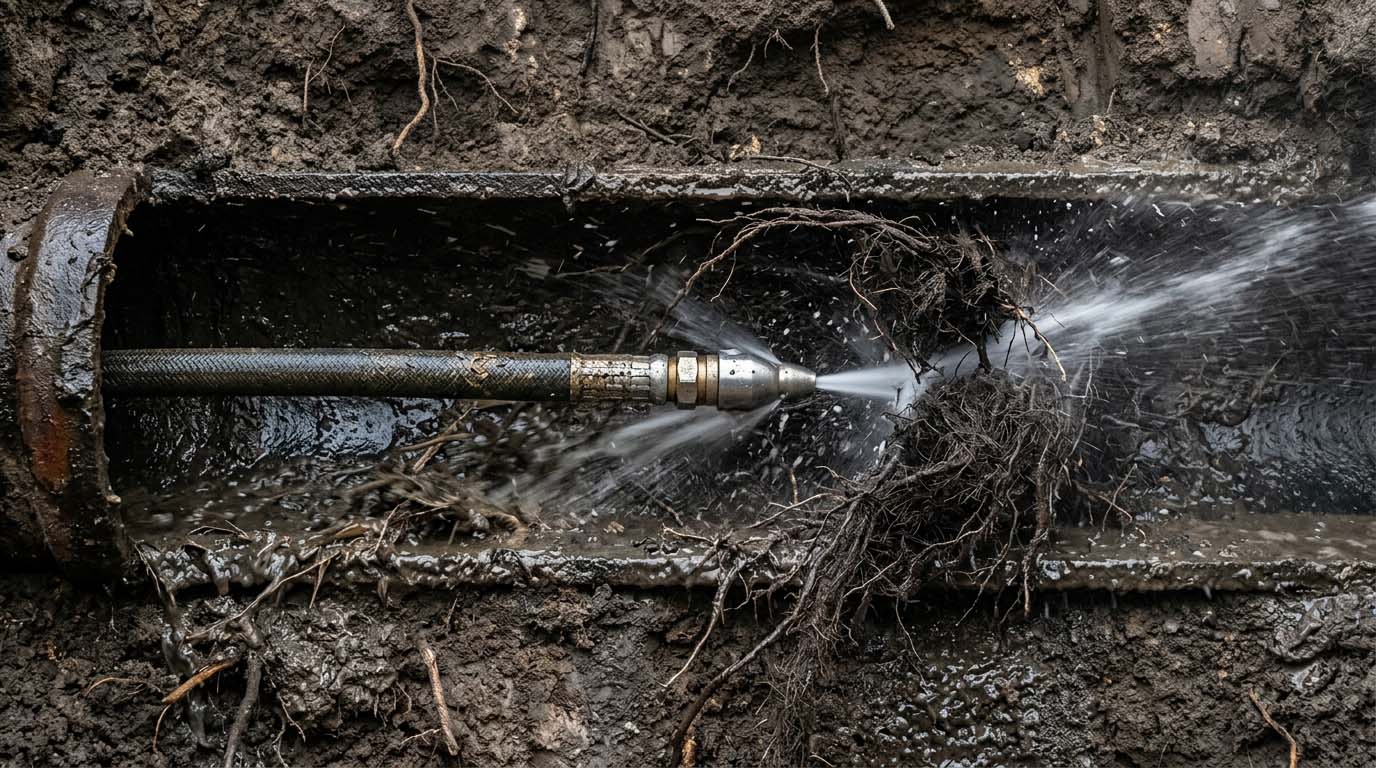
Pipe cleaning is not just a maintenance task when a liner is involved. It is part of the installation quality. Roots, grease, sludge, mineral scale, corrosion tuberculation, sand, mud, and loose debris can prevent a liner or coating from seating correctly. Boston Pipelining Company lists high-pressure jetting as a service, and its documented project workflow includes cleaning before lining. That matters because a clean, properly prepared host pipe gives the repair a better chance of performing as intended.
Root Removal and Recurring Backup Correction
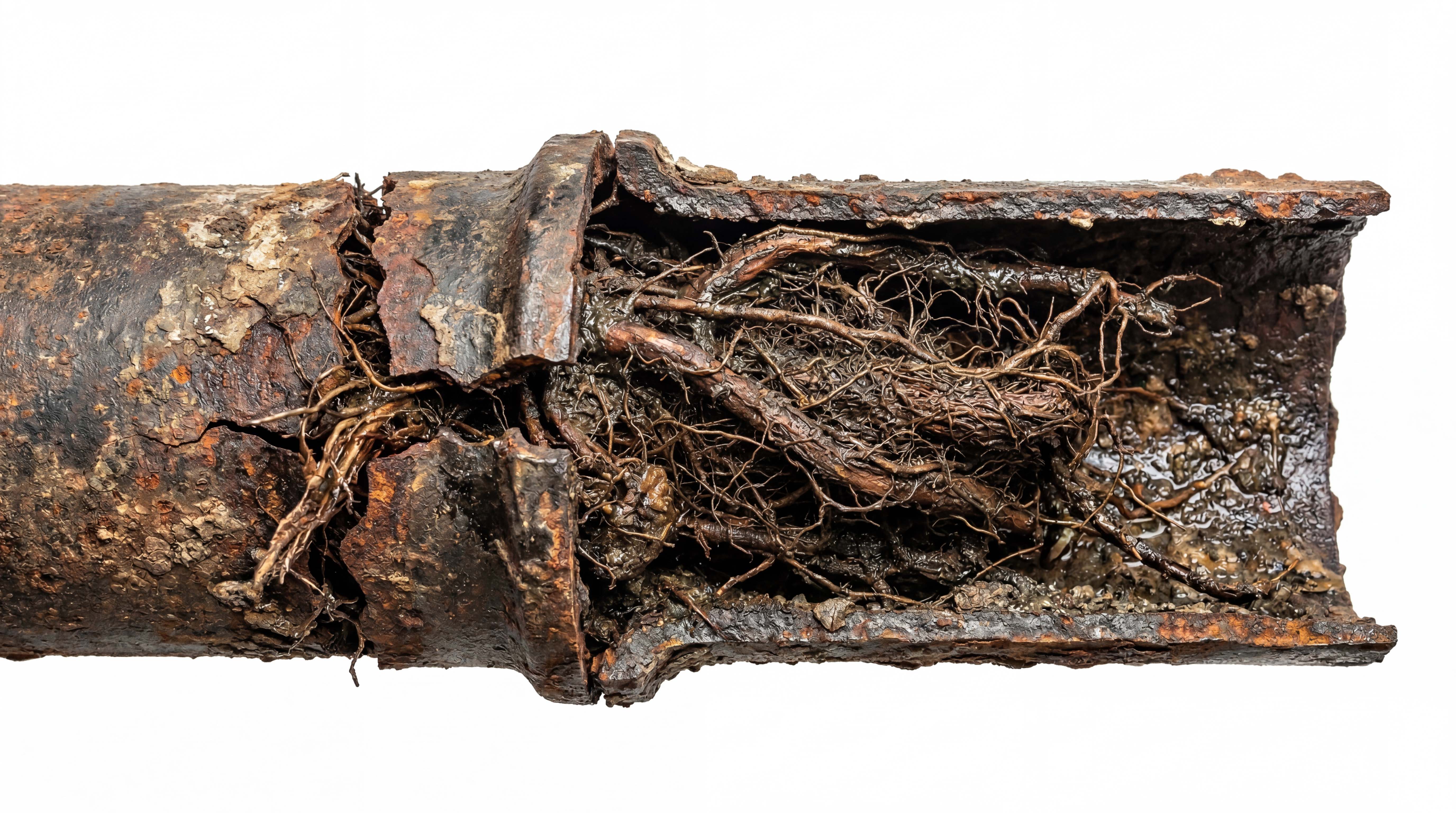
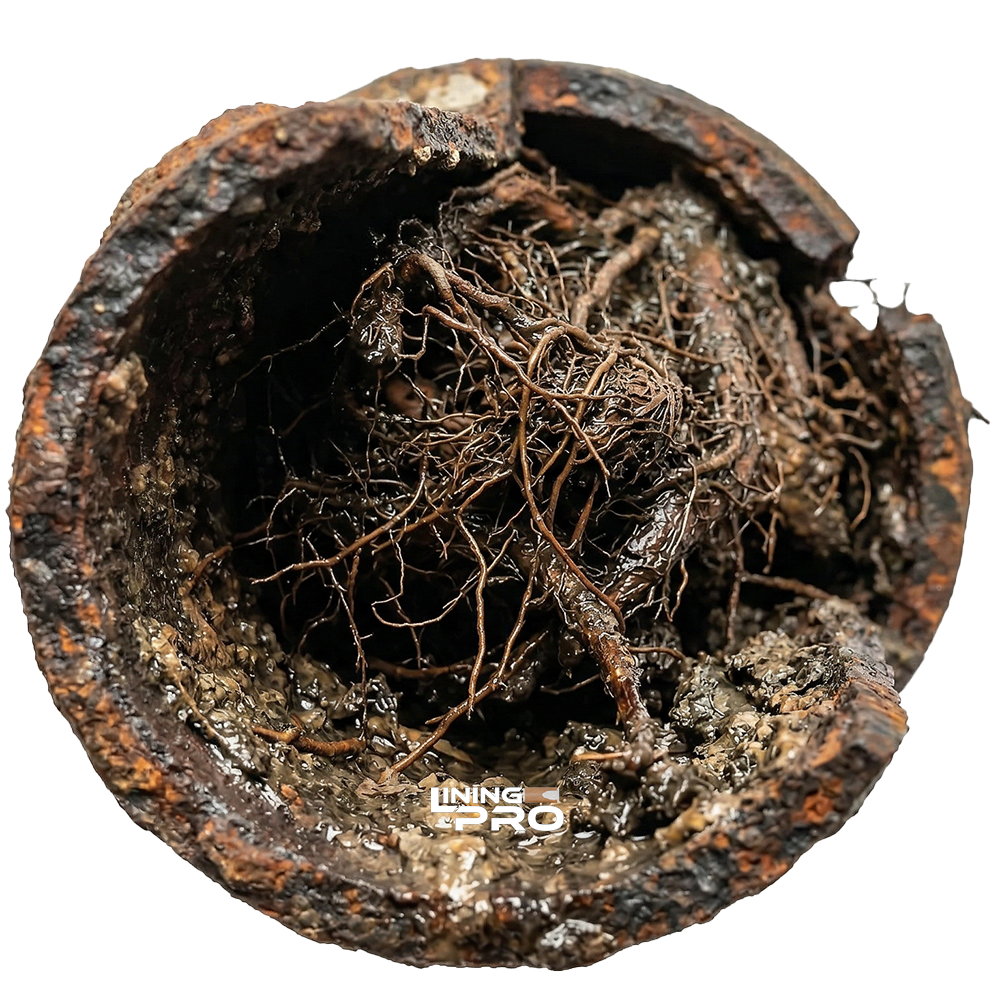
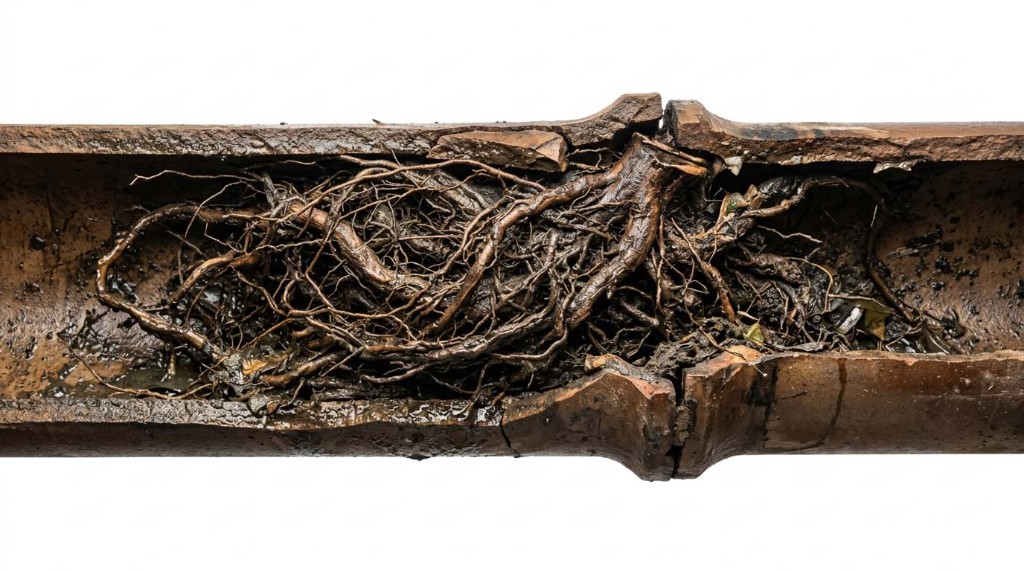
Tree root intrusion is common in older clay and cast iron systems throughout Boston and the South Shore. Roots often enter through joints, cracks, and separations. Removing the roots may restore flow temporarily, but if the opening remains, the roots often return. When the pipe is structurally suitable, lining can seal the interior flow path and reduce the conditions that allow repeated root entry. This is where Boston Pipelining Company’s inspection, cleaning, and lining workflow can turn a recurring maintenance issue into a more durable rehabilitation plan.
Local Conditions in Greater Boston and the South Shore
The sewer repair environment around Boston is different from newer suburban markets. In Boston, Dorchester, Roxbury, Jamaica Plain, South End, Back Bay, and West Roxbury, many properties have older laterals, tight access, finished basements, dense building conditions, and limited excavation room. In Quincy, Weymouth, Braintree, Hingham, Milton, Norwell, Marshfield, Scituate, Cohasset, Randolph, and Rockland, property owners may be dealing with long private laterals, mature tree roots, older clay and cast iron systems, coastal groundwater influence, seasonal infiltration, and driveways or landscaping that would be expensive to disturb.
That local context is why zero-dig repair is important. A sewer line may be only four or six inches in diameter, but reaching it can require slab cutting, trenching, hauling, backfill, concrete restoration, landscape repair, paving, or interior reconstruction. Trenchless rehabilitation reduces that surface damage when the pipe qualifies. The best use of the method is not to avoid excavation at all costs. The best use is to inspect first, determine whether the line is a viable candidate, and then choose the least destructive repair that still solves the underlying pipe failure.
Residential Sewer Lining
For homeowners, Boston Pipelining Company can be especially valuable when a sewer problem is below a finished basement, older slab, driveway, walkway, patio, or landscaped area. Homeowners often start with symptoms such as slow drains, sewer odor, gurgling fixtures, basement backups, recurring mainline clogs, or tree roots found during cleaning. A camera inspection can determine whether the issue is a maintenance blockage or a pipe defect that needs repair.
When a residential sewer lateral is a good lining candidate, CIPP or UV-cured lining may avoid major excavation and reduce the impact on the home. This can be important for older homes in Boston, Quincy, Milton, Dorchester, Jamaica Plain, Hingham, Weymouth, and the South Shore where pipe access is difficult and restoration costs can exceed the pipe repair itself. Mike Walsh’s team is positioned for those conditions because the company’s work is centered on inspection, preparation, and no-dig rehabilitation rather than only emergency clearing.
Commercial and Multifamily Sewer Rehabilitation
Commercial properties and multifamily buildings need sewer repairs that account for tenants, operations, access, safety, downtime, and restoration cost. Restaurants, retail buildings, offices, apartment buildings, condominium associations, schools, healthcare facilities, and mixed-use properties cannot always tolerate long shutdowns or open excavation through occupied areas. Boston Pipelining Company’s trenchless approach can help these properties solve pipe defects while limiting disruption to business activity and tenant access.
Commercial sewer lining requires disciplined project planning. The contractor must understand flow control, access points, working hours, odor control, site protection, occupant communication, cleaning requirements, pipe diameter, pipe material, curing method, and final verification. A property manager in Boston, Quincy, Braintree, Weymouth, Hingham, or Marshfield should be asking for camera evidence, a written scope, a clear explanation of the chosen method, and post-work inspection. Boston Pipelining Company’s documented service mix supports that type of technical conversation.
Municipal and Infrastructure Relevance
Boston Pipelining Company also positions its no-dig CIPP services for municipal systems. Municipal sewer work requires a practical understanding of public infrastructure, access constraints, flow conditions, defect coding, inspection records, and repair documentation. While every municipal project must be evaluated on its own specifications, trenchless rehabilitation is widely used in public wastewater systems because it can extend pipe service life, reduce excavation, limit surface disruption, and address infiltration and structural defects when properly designed and installed.
For local infrastructure stakeholders, the key is matching the repair to the actual pipe condition. A CIPP liner may be a strong choice for a cracked, leaking, or structurally compromised pipe that still has enough continuity to receive a liner. It may not be the right answer for a collapsed pipe, severe deformation, major obstruction, or line with geometry that prevents installation. Boston Pipelining Company’s value is strongest when the inspection, cleaning, repair selection, and verification process are treated as one technical workflow.
Why Property Owners Choose No-Dig Repair
The reason trenchless sewer repair has become important in Greater Boston is simple. The pipe may be underground, but the damage caused by reaching it can be above ground. A traditional excavation can affect concrete floors, finished basements, kitchens, bathrooms, sidewalks, driveways, lawns, patios, streets, parking lots, and building access. No-dig lining gives property owners a way to rehabilitate the pipe from the inside when the pipe condition allows it.
For a homeowner, that may mean avoiding a destroyed basement floor. For a restaurant, it may mean reducing downtime. For a condo association, it may mean less disruption to residents. For a property manager, it may mean better control over schedule and restoration cost. For a municipal client, it may mean less public disturbance. Boston Pipelining Company’s zero-dig model speaks directly to those concerns.
What a Proper Lining Evaluation Should Include
A proper trenchless evaluation should include a camera inspection, pipe location when needed, defect identification, diameter confirmation, access review, cleaning plan, lining feasibility assessment, and a clear explanation of what the liner will and will not correct. The contractor should explain whether the pipe has root intrusion, cracking, open joints, infiltration, corrosion, scale, missing wall, offsets, sags, or collapse. The owner should understand whether the recommendation is CIPP lining, UV-cured lining, epoxy coating, spot repair, additional cleaning, excavation, or a combination of methods.
Boston Pipelining Company’s public materials show that the company presents trenchless repair as a process, not just a product. That is the right way to frame sewer rehabilitation. The goal is not to sell lining into every pipe. The goal is to determine whether the existing pipe can be restored from the inside and then execute the work with proper preparation and verification.
Core Service Areas
Boston Pipelining Company serves Greater Boston and the South Shore, including Boston, Quincy, Weymouth, Hingham, Milton, Norwell, Marshfield, Scituate, Braintree, Cohasset, Dorchester, Roxbury, Jamaica Plain, West Roxbury, Randolph, Rockland, Back Bay, South End, and nearby communities. Service availability and project suitability depend on access, pipe condition, pipe size, defect type, and field verification.
Request help with your pipe or sewer system
Call (617) 699-5384 or use the request form on this profile. Include the property location, symptoms, existing inspection findings and any access restrictions. You do not need to choose a repair method before contacting us.
Explore sewer camera inspection and trenchless sewer repair before discussing the condition of your line.